Driverless car technology is just around the corner, Volvo’s David Pickett revealed to delegates at ARRB’s 26th Annual Conference.
Pickett, Technical, Certification and Engineer Manager at Volvo Car Australia explained to delegates at the conference in Sydney’s
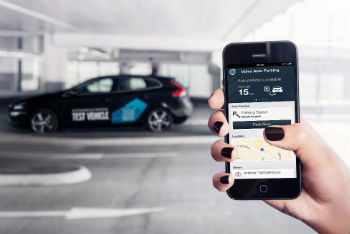
ANZ Stadium, that an early model was demonstrated to the press in Gothemberg, Sweden in May this year.
Discussion of road regulation and infrastructure implementation was led by Craig Moran, General Manager Traffic Management at the Roads and Maritime Services NSW.
“I certainly like to say the future introduction of driverless vehicles should be seen as the natural evolution of usage of our road networks,” said Moran. “It’s not just about contemplating technology, but how everything comes together into an effective system.”
Infrastructure and planning
Moran was one of five expert speakers at the conference’s closing panel session titled: The Future of our Cities – Enabling Driverless Cars.
Speakers included Garry Bowditch, CEO SMART Infrastructure facility at the University of Wollongong; Dr Charles Karl, National Technical Leader and Manager, Congestion, Freight and Productivity at ARRB Group; Penny Gale, General Manager, Public Affairs at the Royal Automobile Association of South Australia and Pickett.
It was agreed that in the short-term, driverless cars would likely share the roads with manned vehicles. Traffic control systems, licensing, asset management and many more aspects of road management would be impacted by the introduction of driverless vehicles, the panel explained to delegates.
For example, planning analysis for new roads is currently based on historical data, Moran pointed out, which poses problems for new technologies like driverless cars.
The idea does not sit comfortably with members of the Royal Automobile Association of South Australia. Hale revealed to delegates the results of a survey of her members on the topic of driverless vehicles.
According to Gale, 49 per cent of RAA SA members said they do not like the idea of driverless cars at all as they do not feel safe.
In addition, 45 per sent of those surveyed said they do not like the idea of being on the road with self-driving cars.
California test
All eyes will be on the testing of driverless vehicles in California to see how the DMV develops its legislation around the introduction of the technology.
Legislation was introduced in the state of California in the US on 16 September 2014 to allow the testing of driverless cars.
A limited amount of permits have been granted to date, of which Google owns 25. The states of Florida, Michigan and Arizona have also adopted legislation to allow for driverless cars.
“We need to be looking at our cities as a living laboratory,” said Bowditch, an expert in smart cities. “The road sector in Australia is the great laggard. It is several steps behind the other infrastructure sectors.”
Click here to find out more about Volvo’s driverless technology.