The constant enhancement of diesel engines is making them ever less tolerant to wet or contaminated fuels.
Consequently, effective fuel filtration is assuming greater importance and is one of several topics slated for the IPWEA’s national series of Plant & Vehicle Management Workshops during May.
A factor driving the importance of clean fuel is that engine manufacturers are using new technologies to comply with ever-tightening emissions regulations, according to Hayden Schulz, one of the IPWEA’s scheduled speakers. As Donaldson Australia’s National Sales Manager – Clean Fuel & Lubricant Solutions, Schulz has over 20 years experience in the industry.
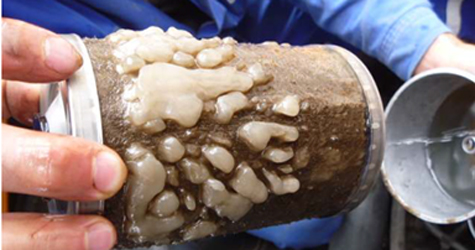
He explained that High Pressure Common Rail (HPCR) fuel injection systems were now broadly used by engine manufacturers to meet stringent emission regulations.
“Frequently HPCR systems operate with pressures between 27,000 and 45,000 psi, which means fuel system components have a greatly reduced tolerance for wet or contaminated fuels,” he said.
“Moreover, unclean fuel can not only lead to costly component failure, but also have warranty implications because many engine manufacturers now specify the cleanliness level of diesel fuels to be burned.”
Fuels typically leave refineries suitably clean, but contamination levels increase during the distribution process, said Schulz.
“Most contaminants are the result of bad handling or aged and poorly maintained infrastructures. Common culprits are rust, scale, airborne dust, oxidation sludge, bacteria, and fuel additives which have turned insoluble after excessive storage. Plus of course, there’s water – from rain, condensation or wash-water ingress.”
Schulz will elaborate more at the Workshops, but he left us to ponder this thought: “A filter which blocks prematurely hasn’t failed – it has simply performed its intended function.”
We guess he means don’t shoot the messenger!