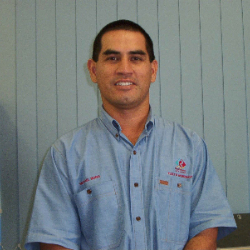
Michael Borg, Operations Manager – Fleet Services, Rockhampton Regional Council, shares his views from the frontline of the local government fleet management sector.
What are the biggest challenges you face on a day-to-day basis?
The primary issue is securing sufficient capital funding to ensure our assets are renewed when they should be. Local government is struggling to fund all of its asset classes and fleet is just one of those – we all have to share the money around and there’s not a lot of it.
Would you like to see fleet get a greater share or local government receive more funding overall?
Overall funding increases would be better. Fleet is not a primary asset of local government – infrastructure is. If there were more money available for infrastructure, it would mean it wouldn’t be so tight trying to secure funds for fleet assets.
 How do you get around these challenges?
Essentially, we have to work harder on our preventative maintenance plans and our condition monitoring and assessments. If a critical piece of fleet breaks down, the opportunity costs are quite high. So if we can’t replace them or renew them, we have to keep them going. We have to spend more operational money to maintain them.
Is leasing a viable option for your council?
It is. We do lease some assets, but it is an expensive funding mechanism. Principally, councils get very low interest rate loans. But at the end of the day, ownership is the cheapest method for us. Leasing is a profit-generating method for another entity and we are not in the business of making a profit. Whatever money saved through the low-rate loans is passed on internally.
What would you like to see change over the next 12 months to make your job easier?
We have to look at the operator competencies for our construction equipment. The skills shortage has meant that we have a generation of young operators without older operators mentoring them. The old days when the more experienced workers would take the new boys under their wing and train them and teach them right way are gone. Because of the generation gap, we don’t have a big pool of older operators, so we don’t have anyone to mentor the younger ones. They have to learn from their mistakes, which is not always good for operating costs.
What can be done to bridge the generation gap?
We have to look at things like part-time work or transitions to retirement for older people so we can have them in not so much frontline, full-time roles, but mentoring roles with less hours so we can still use their skills and knowledge how to do things.
What do think fleet managers across the country are doing well?
We know how to manage our assets, there is plenty of knowledge in the profession and the key factors of fleet management are well known. We are really good at sticking to these key principles to get the job done.