Bathurst Regional Council Road Safety Officer Iris Dorsett used her Foundation Study Grant from IPWEA NSW to visit disaster-struck Japan. She talks to PWPro about her trip.
Q. Why did you choose this area of Japan?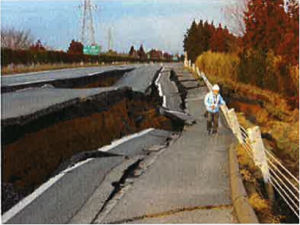
In March 2011 the people in Ohkuma Japan (Fukushima Prefecture) were faced with considerable hardship and loss when they faced the devastation of the Japanese Earthquake and Tsunami, which left their entire community displaced. The Ohkuma Town Council and much of the population relocated to Aizuwakamatsu.
My employer, Bathurst Regional Council, had a long term pre-existing relationship with Ohkuma Town Council and news of their situation moved me deeply. I followed their predicament with much interest and thought there were many lessons that could be learnt from the handling of their ordeal. I was fortunate that our council relationship allowed me access to work with the Japanese engineers and transport authorities to discuss and study the effects of this disaster.
Q. What did you hope to get out of your time in Japan?
My aim was gain an understanding as to the effectiveness of emergency management plans in such a chaotic situation – how do
 you actually implement them when the majority of your infrastructure has been destroyed? I was also seeking an opportunity to gain both professional and personal development and to positively promote IPWEA locally and internationally.
What did you do in Japan?
I met up with the town engineers and some of the emergency staff workers from Fukushima. They took me through the process that they had to go through. The area we are talking about is an exclusion zone.
Most of our discussions were held at the Fukushima Town Council. My work was reluctant for me to go into the exclusion zone because of OHS reasons.
They took me out as far as we could go so I could get an understanding of the geography and make the visual comparison to the images of what was and what is today.
Q. What impact did the trip have you?
You think you understand it, because you’ve seen it on the news, but when you are there the emotion that sweeps over you when you realise what these people must have endured. Not only what they’ve endured and lost, but also the effort they are putting in to rebuilding. The respect that I have for them is so high. It’s amazing.
Q. How did you prepare for the trip?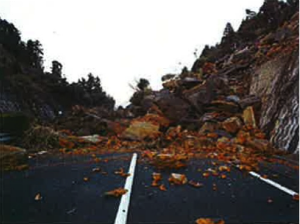
We were able to do a lot through email. I had already sent them questions so they could prepare and they knew what I was looking to go and see. When I arrived we could hit the ground running.
What was the most striking thing you saw in the Fukushima exclusion zone?
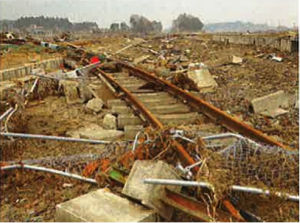
I have to say, the devastation of the rail network. Seeing all that twisted and upheaved metal just sitting up like a roller coaster ride – that was pretty surreal to me.
The site was so empty. It was like a ghost town. They had perfectly good buses just sitting there that cannot be used because of contamination. There’s so much infrastructure – roads, homes, buildings – everything is just perfect but you know it’s just going to be left there.
Emotionally it touched me. It was just so profound. The other thing that struck me was the resilience of the people. It was just amazing to see how they have picked up and relocated and started with nothing. The whole sense of community is absolutely amazing. They are so humble.
I made some lasting friendships. There’s been a contingent that has since visited Bathurst.
Q. Since you returned, how have you used the research?
Apart from sharing my new-found knowledge with engineers I directly work with, my findings were presented at the IPWEA NSW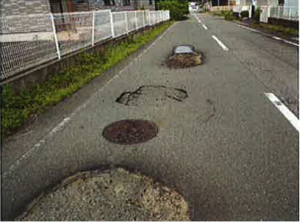 Division State Conference in October. Several local community organisations in Bathurst and Blayney have booked me as a guest speaker to share my study tour experience and findings with them.
Q. Would you recommend people apply for IPWEA grants?
Should a relevant opportunity present, I would encourage all members to consider applying for a study tour grant. Professionally, this study tour was absolutely amazing. The educational and cultural experiences I was exposed to, and participated in, were exceptionally unique.
On a personal level, it was very humbling to be accepted into a community that had endured and lost so much, and yet were so welcoming and prepared to share their all.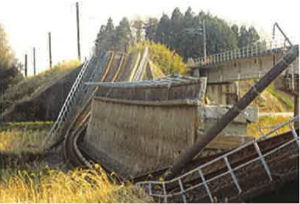
I would like to acknowledge the Board’s support. I feel very privileged to have been considered for (and offered) this amazing opportunity and experience.
Q. What advice would you give to others applying for similar grants from IPEWA state divisions?
Have a clear understanding of what you hope to achieve and present your case. Ensure that you can identify how this could be of benefit to your organisation and fellow IPWEA members.
For more information about state division grants, visit the relevant state website at ipwea.org