New Zealand’s peak body for local government is hopeful a proposed landfill levy increase will finance onshore recycling facilities and projects to reduce the country’s high waste rates.
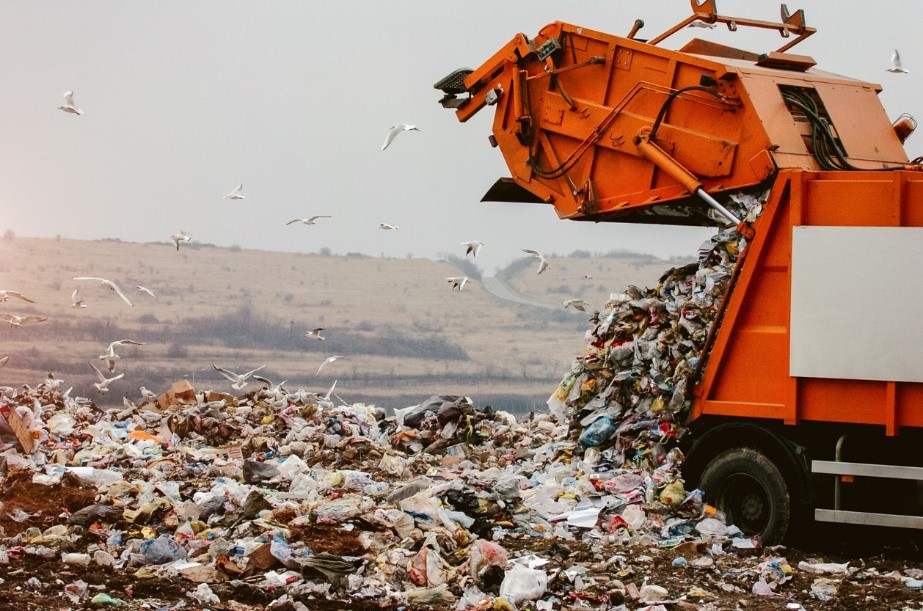
Local Government New Zealand has welcomed the plan to increase funding for onshore recycling and to reduce the amount of landfilled waste, saying it is a vital part of the wider system change needed to improve New Zealand’s waste management.
“The increasing amount of waste going to landfill and the lack of onshore recycling facilities is a major concern for communities across New Zealand,” said LGNZ President Dave Cull.
Cull says the consultation process announced this week is the nation’s chance to shape system changes to bring a circular economy closer.
The proposed changes include raising the landfill levy that funds waste minimisation projects, which is currently one of the lowest in the OECD, as well as widening the levy to apply to more types of landfill. The current system only covers 40 per cent of the total waste sent to landfill.
“The China Sword ban on hard to recycle plastic has heightened awareness that so much plastic isn’t designed to be easily recycled, and that per capita New Zealand has above average waste generation,” said Cull.
“If we widen the landfill levy, it’s important that the public can be sure the money collected is being invested where it has the greatest impact possible, in reducing waste and increasing recycling.
“We want to see funds raised go directly into transforming the waste industry, and that means any money collected by central government should be ring-fenced and allocated to strategic national investments in waste minimisation, rather than being spent on piecemeal schemes, as we’ve seen in the past. In particular we would like to see onshore recycling centres, a national waste minimisation strategy, expanding our glass recycling capability and controls on hard to recycle grade 3-7 plastics entering the country.”
View the New Zealand landfill levy proposal, consultation documents and timeline to its 2023 implementation here.