In a world first, a drone fitted with a CrocSpotter AI algorithm has streamed a live video, seeking and identifying crocodiles with 93 per cent accuracy.
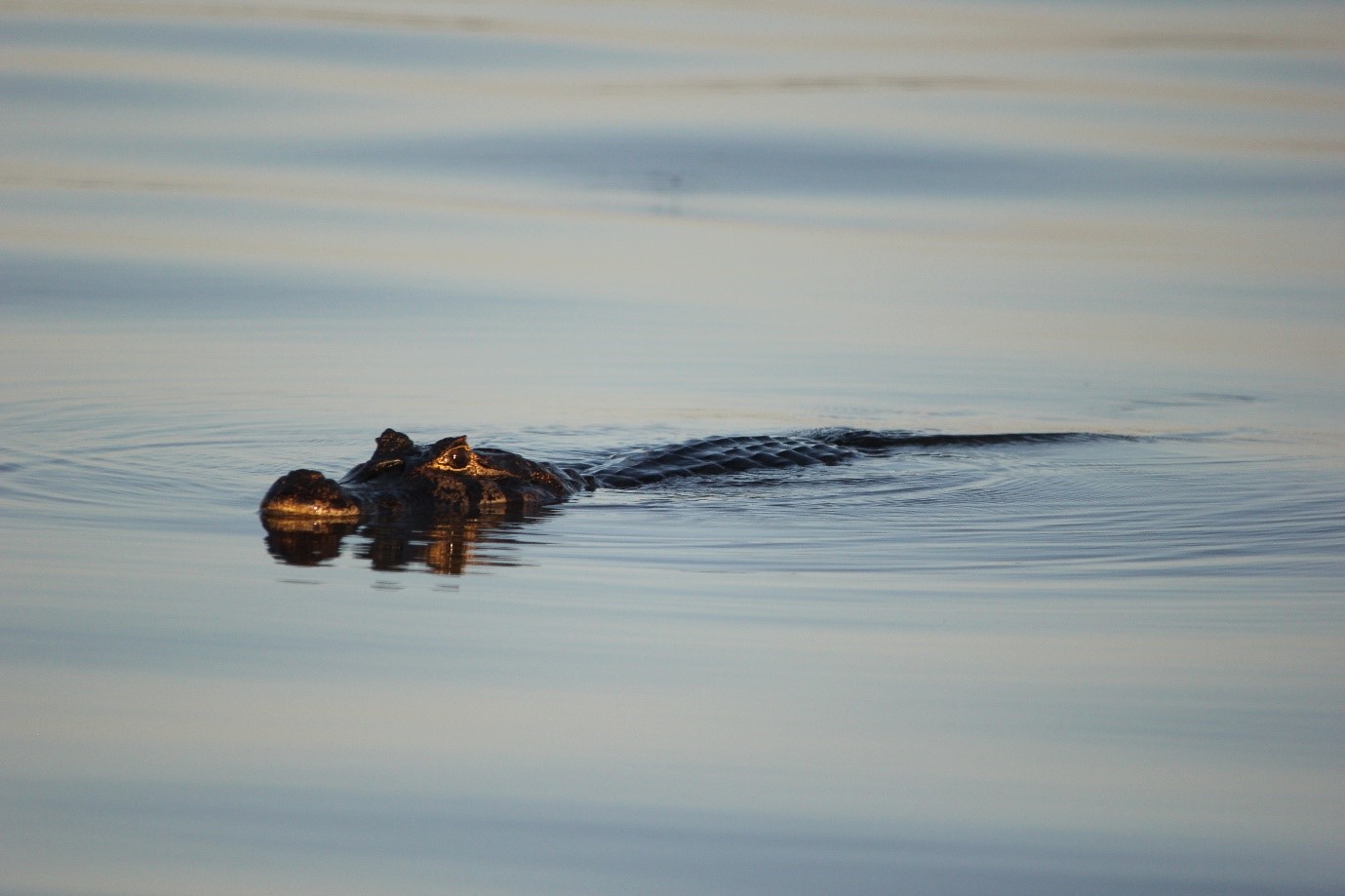
CrocSpotter AI is the latest algorithm developed by the University of Technology Sydney and industry partner Westpac Little Ripper. Streamed using the Amazon Web Services cloud, this quick delivery of vital information to search and rescue unmanned aerial vehicles could mean the difference between life and death for those working in the field in remote Australia.
Teams at two separate locations carried out the successful live trial. A drone team flew over a known crocodile habitat at Mowbray River in North Queensland, while another monitored the stream 1690 kilometres away at the World of Drones Congress, held in Brisbane last month.
The drone was fitted with CrocSpotter AI and as video streams in real-time from the drone to the pilot on the ground, the algorithm operates by ‘washing’ the video, and alerts the pilot to a possible threat below. The threat is highlighted immediately by a flashing red box around the detected animal, drawing the pilot’s attention to that part of the screen. An AI technique called deep neural networks detects the crocodiles from moving drones via a smart camera.
Professor Michael Blumenstein and Dr Nabin Sharma from the UTS Faculty of Engineering and IT originally worked with Westpac Little Ripper to develop SharkSpotter, the AI-powered drone-based technology for protecting beaches and keeping swimmers and wildlife safe. Continuing the collaboration, they are now developing cutting-edge AI software deployed via drone on the Amazon Web Services cloud for detecting crocodiles between Mission Beach and Port Douglas.
UTS says the Queensland Government is keen to see the technology in use to prevent crocodile attacks and develop a better understanding of crocodile populations for their conservation.
Professor Blumenstein said the speed of the cloud-based AI can spot crocodiles in real-time, which is a world-first and a technological breakthrough given the very low latency.
Dr Sharma said the technology enables crocodile detection in complex environments, including murky and muddy waters in both wetlands and the open ocean.
“This is the first time this sort of animal detection drone technology has been deployed via a high-quality video stream at ultra-low latency with the AI producing 93 per cent accuracy to detect crocodiles,” he said.
Ben Trollope, CEO of The Ripper Group, said the tripartite cooperation means a latency of just one second for first responders.
“Running the CrocSpotter AI algorithm via AWS reduces the latency from 10-30 seconds currently achieved by the drones’ on-board video,” he said.
Photo by Juliana Amorim on Unsplash