By: Chris Sheedy
Many say the 2014 indexation freeze on grants to local councils has had a damaging effect on rural and remote areas. It’s time for a fair go, those councils now argue.
Over the last few years in Tasmania’s Burnie, says David O’Loughlin, Mayor of the City of Prospect in South Australia, childcare operations have been condensed or wound up and the Makers’ Workshops, a long-time a driver of tourism in the area, have been reduced in size.
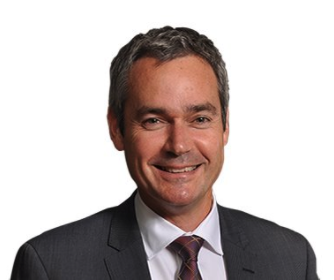 ALGA President, Mayor David O’Loughlin
At the same time in Bass Coast Shire in Victoria the community grants program has been cut back, the libraries and waste transfer station have had their opening hours slashed and mowing of local parks has been reduced.
It’s a pattern that is being seen and felt across the nation as hundreds of millions of dollars that once would have flowed into the coffers of councils in rural and remote areas have instead been cut off. The decision by the Federal Government in 2014 to freeze the indexation of Financial Assistance Grants has dealt a significant blow to councils in these areas, says O‘Loughlin, who is also President of the Australian Local Government Association.
“It is an absolute retrograde policy that simply must be reversed,” he says. “According to the Government's own
estimates $925 million will be denied to councils, funds that would have been used to maintain and build important
infrastructure such as roads and bridges, halls and community facilities.”
“There has certainly been an impact and that impact is felt far more acutely in the regional areas of the country. In those areas, local councils are far more reliant on grant income as a substantial part of their annual revenue.”
“Understandably, councils that cover vast geographic areas with thousands of kilometres of roads may not have the population base or the property-rate base to be able to raise revenue to cover all of their expenses locally. The grant stream, developed under the Whitlam government and tweaked under the Fraser government, effectively tries to level out the quality of service provision by councils across the nation.”
Since the indexation freeze this chance of equality of service provision has been destroyed, O’Loughlin says. “The freeze in indexation impacts on the rural and remote councils far more significantly than the metropolitan councils,” he says.
Councils are faced with two options as their funds are slashed, O’Loughlin explains. One is to increase local rates, which impacts on every ratepayer. The other is to cut services, particularly non-legislated services such as those for the aged and the young, for young families and for economic development activities.
“There is a real risk that these cuts are impacting on the needy and stifling economic development at a time the nation needs it most,” he says. “In some instances, rates have gone up well above CPI to cover the shortfall.”
“In other areas, road maintenance has been reduced. Local services have been reduced. Grant streams for community clubs have been cut. Library hours have been cut. Progressive activity around economic development has been halted. All of these impact directly on local residents, on business efficiency and on job creation.”
There has been
talk of ending the freeze in this year’s Federal Budget but, O’Loughlin says, there has also been
talk of leaving it as is.
“I think it would be to the Federal Government’s detriment and to the detriment of local communities if they extended the freeze,” he says. “Let's stop the freeze and let's get the projects, the services and the jobs flowing.”