An innovative municipal sewerage plant in New Zealand that harnesses natural processes to slash operating costs is in the running for a Global Water Award.
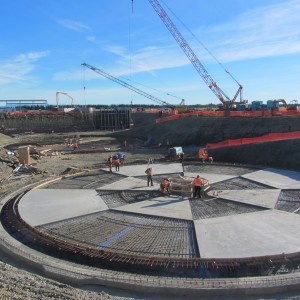
The Eastern Selwyn Sewerage Scheme in Rolleston, near Christchurch, has been named a finalist for Wastewater Project of the Year in recognition of the project team’s technical innovation as well as its ability to remain flexible and deliver on schedule.
That achievement is all the more impressive considering the 2011 Christchurch earthquakes prompted a dramatic redraft of schematics and caused a scarcity of structural engineering resources.
Selwyn District Council engaged engineering, consulting and construction firm MWH Global in 2007 to convey and treat wastewater flows for the projected population increases of the communities of Prebbleton, Lincoln and Rolleston which had already seen two decades of significant growth.
“This project came about really to cater to our massive growth,” Selwyn District Council Asset Manager Murray Washington says.
The council required a cost-effective and efficient solution to the existing Pine Wastewater Treatment Plant. A large portion of the operating cost of the existing plant was in the handling and disposal of sludge, where the waste sludge was carted off from the site and disposed.
The solution was the design of solar air drying halls to manage sludge biosolids – the first municipal waste biosolids drying facility of this scale
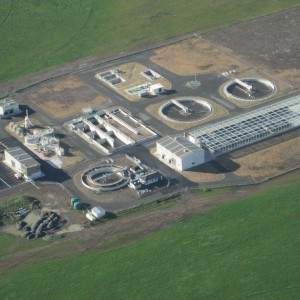
in New Zealand.
Retaining much of the existing infrastructure, MWH re-designed the original plant. Waste activated sludge is pumped to a gravity thickener, where the solids are thickened from 0.3% to 1.4%. The waste is then pumped into an aerobic digester where it is aerated, and stabilised to a grade B-type biosolid. From the aerobic digester, the biosolids are pumped to centrifuges for dewatering, and then transferred to a solar air drying hall, or greenhouse.
In the drying hall, biosolids are spread, turned and moved by a robotic sludge manager. Using very little energy input, the waste is transformed from 20% to 93% solids. This means disposal of sludge is now far less frequent, reducing sludge removal costs by more than NZ $250,000 per year, and is expected to realise lifecycle savings in the order of NZ $4 million while minimising the environmental footprint for the site.
The awards, given annually by Global Water Intelligence, will be presented on 19 April at the Global Water Summit in Abu Dhabi. The other finalists in the Wastewater Project of the Year category include projects in Mexico City, Hong Kong and Abu Dhabi.
The Global Water Award shortlisting is the latest in a string of successes for the ESSS, which has previously won a New Zealand Engineering Excellence Award and an IPWEA Engineering Excellence Award.