By Ken Goldberg – Consultant, IPWEA FLEET
Organisations that utilise vehicle fleets generally have multiple reasons why the fleet exists which translates into the need to maintain a variety of vehicle assets.
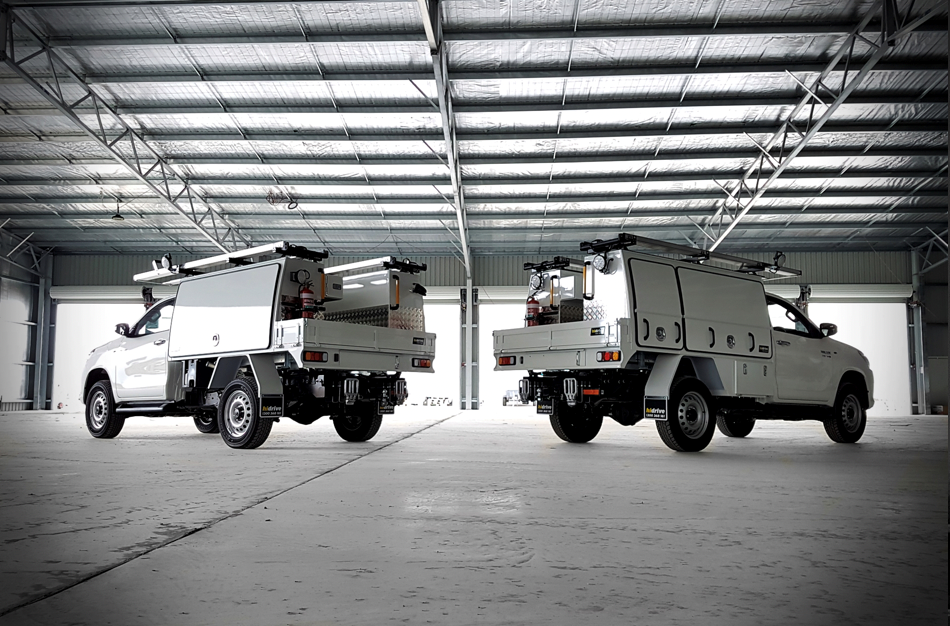
Most of these assets consist of standard makes and models across a range of asset classes such as light and heavy vehicles including asset types such as sedans, SUV’s, utilities, light trucks and heavy trucks to name a few. However, sometimes user requirements outstrip manufacturer’s offerings which necessitates re-engineering aspects of a vehicle – typically the body – and then applying enhancements to make them fit-for-purpose.
IPWEA FLEET explored this special-purpose acquisition process when we held the third session of our 4-part Fleet Winter Webinar 2020 series. The session broke down the process from defining user needs to developing a clear vision to specification considerations right through to finalisation. These concepts were presented using viewpoints from an engineer with a national supplier and a fleet practitioner with the second largest local council authority in Australia.
The importance of having a defined process was highlighted as the key to successfully acquiring a special-purpose vehicle (SPV). Dan Fischer, Senior Engineer with the Hidrive Group, said that “any supplier you deal with should have a process. Some may have more steps and some may have less.” Dan then said that “the more work you can put in at the start of the process the better things will go.” He also indicated that, in order for stakeholders and suppliers to build good relationships and trust, “the main steps should include” the following:
- Understand requirements
- Review compliance (e.g. regulations, standards, etc.)
- Consider product fit
- Model the build (e.g. computer-aided design)
- Collaborate during idea iterations
- Establish a source of truth for the design
- Schedule the order
- Optimise the manufacturing process using engineering services
- Ensure quality checks during production, and
- Conduct final QA and testing prior to sign-off and delivery
From a fleet practitioner’s perspective, the process has more steps. City of Gold Coast’s Acting Heavy Vehicle Management Officer, Kris Browne, talked about how the stakeholder’s SPV acquisition process starts sooner than the suppliers process at the point of replacement identification. Kris said “I request our proposed Replacement Plan early so I can start the process of contacting each user area and notify them when their vehicles are due for replacement.” The SPV acquisition process then ends later with a procedure to decommission and auction the SPV. In fact, the beginning and end points are reflective of a standard procurement and disposal process. It is the steps in between that creates more complexity when acquiring special-purpose vehicles.
A critical part of the SPV acquisition process is ensuring that the vehicle will be fit-for-purpose while balancing and managing expenditure. Kris said that “…if a driver had it his or her own way, they would spec the most customised truck body design.” Based on this dilemma, Kris talked about how standardisation helps resolve this issue. He stated that “…we need to get the best financial deal for the city, so we’ve standardised each branch vehicle so we can determine how much the replacement will cost.” He acknowledged that “each user area has their own fit-for-purpose, standardised body layout.”
There are a number of points to consider when creating a suitable SPV specification. Kris says that “without a doubt the essential specifications are Safety and Ergonomics.” However, there are other areas to consider as well. This includes the following:
- Body layout and possibly multiple layouts to provide choice
- Location of tools and emergency equipment
- Body and cab chassis weight
- Tie-down points
- Vehicle size to suit location access and terrain
- Safety features for active/reactive driving
- Ergonomics (e.g. ingress/egress, suspension, height, etc.).
In summary, acquiring special-purpose vehicles should be a structured, process-driven exercise to ensure the right outcomes. It requires understanding what the organisational requirements are and enhancing the right vehicles to closely match those needs while balancing the organisation’s budgetary constraints. This requires numerous parties to work closely together including stakeholder user groups and crews, fleet practitioners, executive team, and trusted supplier teams that assist the stakeholder through the process. This is coupled with a standard procurement and disposal process when timing for replacement of SPV’s has been identified.