Fleet utilisation and optimisation technology has helped Wellington City Council save $220,000 per year and more savings are expected.
In recent years Wellington City Council has changed how its light fleet has been managed. The council has moved from being reliant on fuel data (to track vehicle usage) to a personalised fleet
utilisation and optimisation tool – developed in conjunction with their fleet tracking service provider, Smartrak.
The first step towards fleet optimisation followed a fleet review where the council realised the limitations of tracking fleet efficiency by fuel data and instead invested in fleet tracking technology.
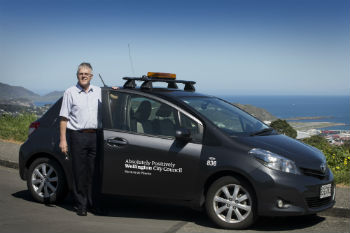
“We knew we had fleet inefficiencies but we had no effective means of quantifying and detailing these inefficiencies,” said Wellington City Council Fleet Manager David Jacobs (pictured).
The Council designed a first generation utilisation reporting tool that allowed it to analyse vehicle usage within a working day, measuring both business hour and non-business hour activity on a 24-hour scale over time.
In order to access more analytics, the council worked with fleet tracking software provider SmarTrak to develop a personalised system.
“Access to detailed and informative fleet utilisation and optimisation analytics has allowed the Council to intelligently rationalise its light fleet size,” said Jacobs. “This has allowed the Council’s business units to be supplied with detailed, accurate and informative reports that enhanced and empowered their decision-making in place of the historic metrics that depended on broad generalisations and a raft of assumptions.”
Since 2009, the council has used fleet tracking technology and other initiatives to reduce its light fleet size by 17 per cent (some 22 cars) to save $220,000 per year, with no disruption to business. This does not account for other surplus and underutilised vehicles that were redeployed elsewhere within the Council’s fleet – offsetting the buying of additional vehicles.
In September this year the council introduced its second-generation utilisation and optimisation tool. By incorporating geographical metrics, the reporting tool now allows the council to explore new ways to rationalise its fleet - for example by improving the wider shared use of the Council’s fleet to further rationalise its light fleet size.