Volvo’s 2020 vision is to eliminate crashes, and driverless cars could play a role in achieving this goal, delegates at ARRB’s 26th annual conference were told.
David Pickett, Technical, Certification and Engineer Manager at Volvo Car Australia gave delegates an overview of Volvo’s work in
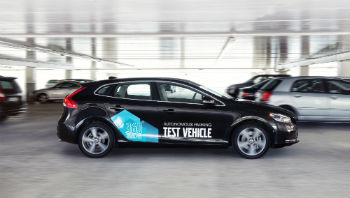
the driverless car space.
“Our aim is to get the safety technology onto the roads right now,” said Pickett. “Connectivity runs as a conjoined phase,” he added, referring to Volvo’s work in the driverless car space.
The company’s main focus, according to Pickett is to develop its
Intellisafe technology, which includes using camera and sensor technology to prevent accidents and warn other drivers on the road of potential collisions.
Pickett gave the example that, currently, Volvo technology can detect when a pedestrian walks out in front of a car, during daylight, and next year the company expects to launch technology that allows pedestrian detection in darkness.
At the same time, Volvo has also been using this safety technology to develop a driverless car. An early model was demonstrated to the press in Gothemberg, Sweden in May this year.
Driverless vehicles were the hot topic at the ARRB conference held in Sydney from 19-22 October at Sydney’s ANZ Stadium.
Pickett was one of five expert speakers at the conference’s closing panel session titled: The Future of our Cities – Enabling Driverless Cars.
Speakers included Garry Bowditch, CEO SMART Infrastructure facility at the University of Wollongong; Dr Charles Karl, National Technical Leader and Manager, Congestion, Freight and Productivity at ARRB Group; Craig Moran, General Manager Traffic Management at the Roads and Maritime Services NSW and Penny Gale, General Manager, Public Affairs at the Royal Automobile Association of South Australia.
Discussion by the panel focused on the regulation around the introduction of driverless cars and the impact on infrastructure design and management.
The belief is that driverless cars could potentially reduce the amount of congestion on roads by allowing cars to drive faster and closer together.
Legislation was introduced in the state of California in the US on 16 September 2014 to allow the testing of driverless cars. A limited amount of permits have been granted to date, of which Google owns 25.
The states of Florida, Michigan and Arizona have also adopted legislation to allow for driverless cars.
All eyes will be on the testing of driverless vehicles in California to see how the DMV develops its legislation around the introduction of the technology.
Moran said: “It’s not just about contemplating technology, but how everything comes together into an effective system.”