Murray Percasky is the Roads and Transport Manager at the City of Kalgoorlie-Boulder – the biggest city, in terms of area, in Australia – and one of the biggest in the world, as well as an important mining hub. He shares his views on the issue of buying locally made fleet vehicles, and what it's like working alongside mining operations in outback Western Australia.
There has been a lot of talk recently about whether local governments should be purchasing more Australian-manufactured vehicles. What’s your take on the issue? 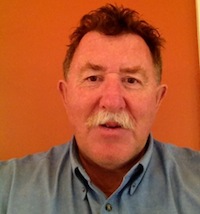
Obviously we would have to amend our budgets to reflect that it’s going to cost councils more to buy Australian-made vehicles.
We work closely with the four local dealers in town for the light fleet – the cars, vans, utes, that sort of thing. And we have a close working relationship with major dealers in Perth for the heavy equipment. But if they wanted us to buy fully Australian-made vehicles, we would obviously have to consider the increased costs.
What unique challenges do you face working alongside big mining operations?
There’s not much interaction with the mining companies on the fleet side of things, but of course working alongside major mining operations in the area I have to make sure they have access to where they want to go for their mining and exploration operations.
One of the biggest considerations we have is when the miners want to use oversized trucks to haul their ore on council roads. One of the major headaches we have at the moment is working with them to find the most optimum-sized vehicle they can use, which is still safe for our vehicles to negotiate around when the mining trucks are on the road.
At more than 95,000 square kilometres, Kalgoorlie-Boulder is the biggest geographical city in Australia, and one of the biggest in the world. How does that impact on your work?
I’ve got one 560km road we control from the city here, east to the South Australian border – it’s 800km out to the border, which straddles the main trans-Australia railway that goes across to the eastern states. Obviously, a challenge is getting out there to do maintenance and upgrade work on that road, so I’m pretty meticulous about making sure our gear is in good condition. That obviously assists our blokes using the gear, but is also reflected in the prices we get when we trade it in.
What advice could you give to other fleet managers to help in their professional development?
I strongly recommend people who work remotely from major cities attend the twice-yearly IPWEA-run fleet management workshops. I get down to Perth twice a year to attend them, and they’re a great help in giving me the confidence that the decisions I’m making are industry standard. It’s good to know that other people within the same industry are making the same decisions that I am.