The Australian Local Government Association (ALGA) estimates that up to 55,000 of the 200,000 people who work in local government are at risk of being laid off, as social distancing measures designed to prevent the spread of COVID-19 place local councils under severe financial pressure.
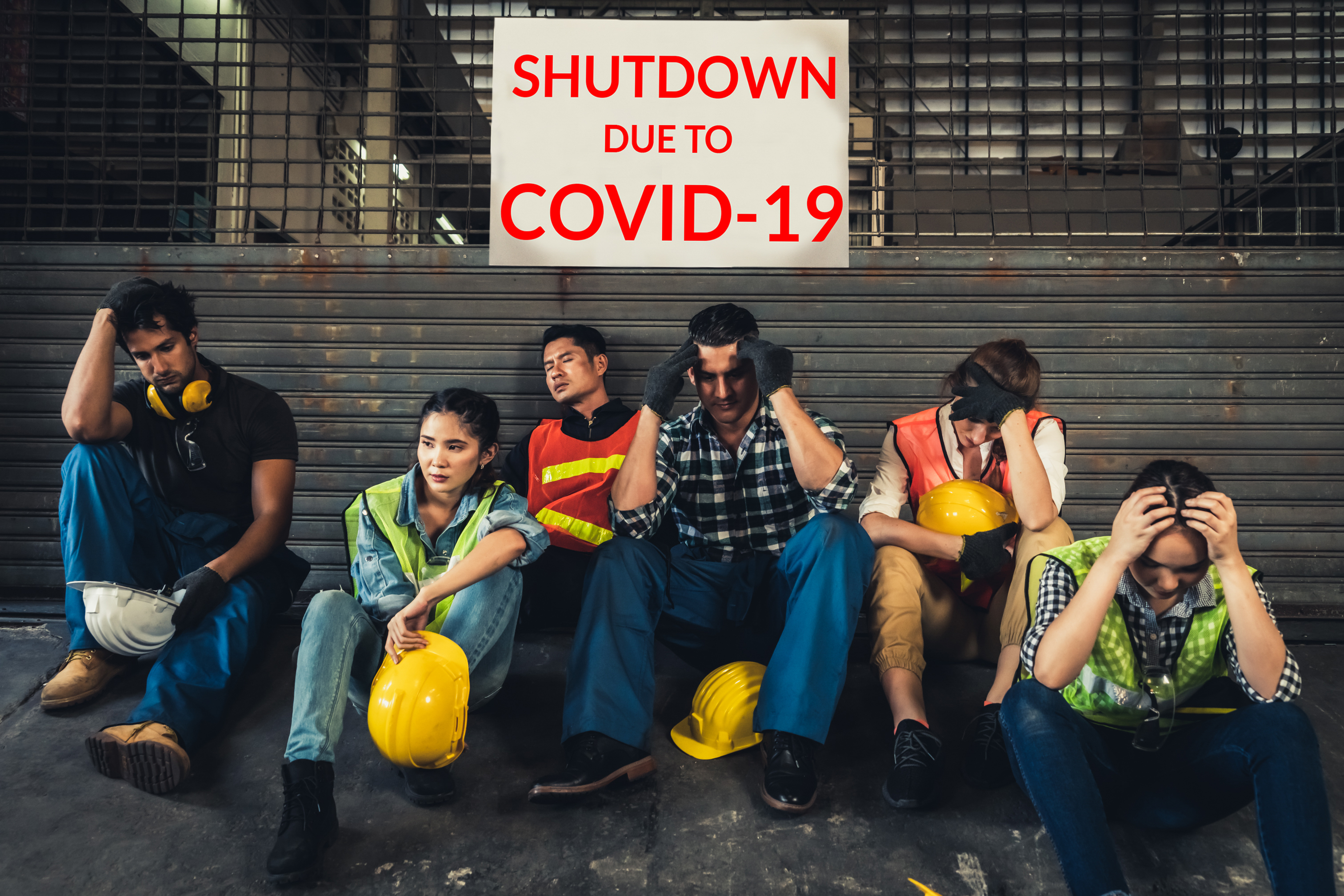
Blacktown City Council, NSW’s largest council, estimates its monthly revenue has fallen by $1.7 million with the closure of council-run facilities such as pools and libraries, a predicament faced by councils around the country. Around 90 per cent of local government revenue comes from internal sources, such as rates and service charges, with taxation accounting for just 3.6 per cent of revenue.
A key component of the federal government’s COVID-19 stimulus package is the JobKeeper payment, which enables small businesses whose revenue has fallen 30 per cent or more due to the effects of the coronavirus pandemic to retain staff. Up to six million Australians will be eligible for the payment, which amounts to $1500 per fortnight for up to six months.
Controversially, local government is ineligible for the JobKeeper program. “If there is support necessary for local governments that will be provided by the state and territory governments,” Prime Minister Scott Morrison told media.
Martin Loosemore, Professor of Construction Management at the University of Technology Sydney, said it was “a mystery” why Australia’s local councils were excluded from the federal stimulus package. “The failure to include local councils (and their wholly-owned corporations) will undermine the economic and social impact these policies are meant to have,” he wrote in The Conversation. “Business and industry are depending on their partnerships with local government to get through the coronavirus crisis.”
LGAQ CEO Greg Hallam has called for the federal government to include local councils in its JobKeeper program. “Local governments are doing what they can to avoid mass redundancies, including redeploying staff where possible, while at the same time also trying to provide relief and support measures to their communities and local businesses, like rate relief and the waiving of certain fees,” he said.
“Councils estimate the revenue impact of the COVID-19 pandemic and the national shutdown will run into the hundreds of millions of dollars. Without access to JobKeeper funding, the task of supporting communities while also sustaining jobs becomes much more difficult.”
In the interim, Queensland’s 77 councils would continue to deliver essential services to communities, Hallam stated. “While it is business as usual – albeit amid extraordinary circumstances – we are also at a critical point where we need the State and the Commonwealth to step up and start funding our level of government properly so we can continue to support our communities while also maintaining our workforce.”