By Warwick Lorenz, Managing Director of Australian Pump Industries
Australia is moving into a serious drought, which in some parts of the country is now in its fourth year. Australia is a strong agricultural producer with over 7.5 million square kilometres of territory, inhabited by 25 million people.
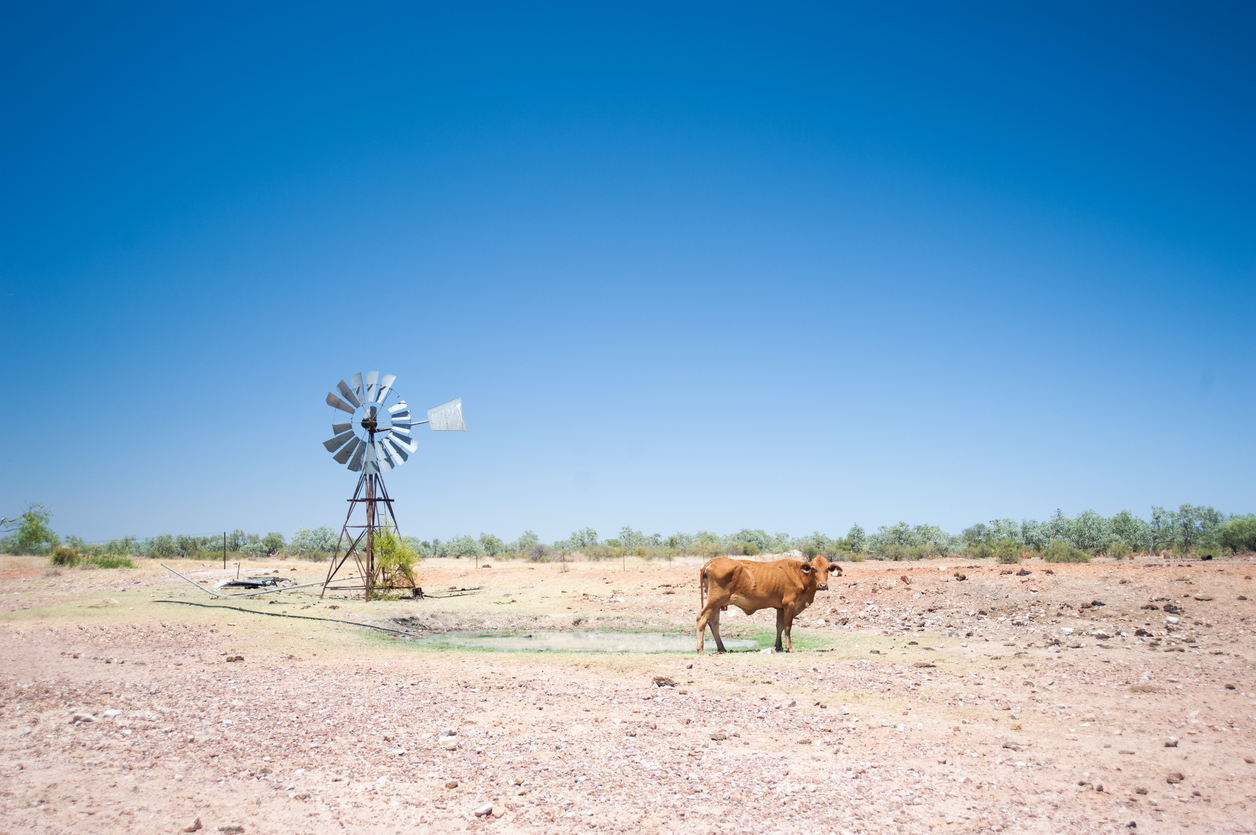
Sixty per cent of the population live in four coastal cities and are largely disconnected to the inland, or as Australians call it, the outback!
While the National Farmers’ Federation aims to build agricultural production to $100 billion within a relatively short period, their plans do not seem to involve either government, industry or even the farmers themselves in any kind of plan to drought-proof the country.
Key advocates for drought-proofing are high profile Australians such as billionaire Andrew ‘Twiggy’ Forrest, a major player in the international iron ore business and a large-scale beef cattle farmer. Forrest is regarded as being a bit of a dreamer even though he has built a $14 billion iron ore empire.
“Everything I know starts with a dream and the dream I want to share with you is an Australia which does not fear lack of water,” he told a 2015 Canberra conference.
Forrest wants to harvest 5000 gigalitres of water from underground aquifers and rivers to drought-proof existing farmland. The plan – based on Forrest’s childhood spent growing up on a remote cattle station in Western Australia – is to open up thousands of hectares of land for new agricultural projects, something that is sorely needed in Australia.
“I grew up in the bush, and the pastoral station in the Pilbara was in the north-west isolated outback,” he said. “I saw the agony and I felt the pain it caused my parents, such anguish as they bore personal witness to the ravaging effects of the drought whilst the vegetation around us wilted.
“I saw the wildlife, the birds, the kangaroos, emus, goannas and eventually the sheep and cattle all meet, by their thousands, their dry and dusty and painful death. It is those emotions that I can never forget.”
I can relate to Forrest’s pain, as I have seen family members suffer dry land farming in eastern Australia where two good years can be followed by four or even five bad years with the result of what should be beautiful and productive farmland turning into dust bowls.
I took my campaign to drought-proof Australia to the then Deputy Prime Minister of the country, Barnaby Joyce, in May 2017. Joyce was not only Deputy Prime Minister at the time but was also Minister for Agriculture and Water Resources. Under his leadership new dams were planned and feasibility studies funded to $60 million, with 39 studies undertaken to access the economic viability of water infrastructure projects. These include dams, pipelines and managed aquifer recharge projects. The studies included the feasibility of building a number of new dams in Queensland and increasing the size of Lake Argyle in Western Australia by raising the spillway.
The government committed almost $300 million to co-fund the construction of five infrastructure projects to secure new and affordable water for regional economic development, including new and expanded agriculture. These commitments included the Rookwood Weir in Queensland, Dungowan Dam in NSW and a number of other key projects valued at millions of dollars.
The tragedy is that in Australia it seems that the Federal Government can have the best of intentions but without the cooperation of state governments, normally involved in an even share of funding these big projects, they can’t get up.
An added problem is the perceived issue of state governments being preoccupied with staying in power, and that means seeking votes from the major population centres – the four key capital cities in Australia.
The cost of this paralysis is being reflected every day in headlines as we move into an even deeper drought situation. Headlines like “NSW Government announces extra $500 million in drought assistance for struggling farmers” tell us about well-meaning government departments spending millions of dollars to compensate for the tragedy of farmland being lost.
We read about capital works investment programmes to help build and revitalise regions that don’t involve water! We also read about pensions being paid to farmers in the form of Farm Household Allowances for income support.
There is support relief from council or government rates, education support for children and even grandstanding over securing three-year funding for mental health support services! Nobody seems to want to talk about taking any long-term action for the drought-proofing of the country.
Unfortunately we have to contrast this with massive investments being undertaken in other areas. We see the Three Gorges Dam in China and the 20,000 other dams built in China in recent years as being a great example of what can be done.
Ethiopia will continue the construction of the Grand Ethiopian Renaissance Dam (GERD) on the River Nile despite Egypt’s concern. Meanwhile Kenya is building the Thwake Dam that will be the largest single project in the country and the region. It will provide a total of 134 million litres of water daily and be the largest in East Africa, and 1.3 million people from the lower eastern region in Kenya will benefit.
Meanwhile, the Australian drought kicks on and it seems nobody is prepared to really think about the long-term future.
We even have some politicians who proudly claim credit for bringing about programmes to stimulate drought ravaged communities in rural Australia worth up to $35 million, when not a penny of it went to drought prevention.
As one final shot on this subject, it should be noted that the Australian National University in Canberra recently prepared a study in which they identified 22,000 potential sites across Australia for pumped hydro energy storage. The maps showing locations of potential store sites and a report on the findings are readily available, but at this stage that programme seems to be going nowhere.
Australia is ready for a major leap forward, but somebody has to think more than three years ahead (our federal parliamentary term) and fund the work to be done. To quote Andrew Forrest, “Everything I know starts with a dream”.
 About the author
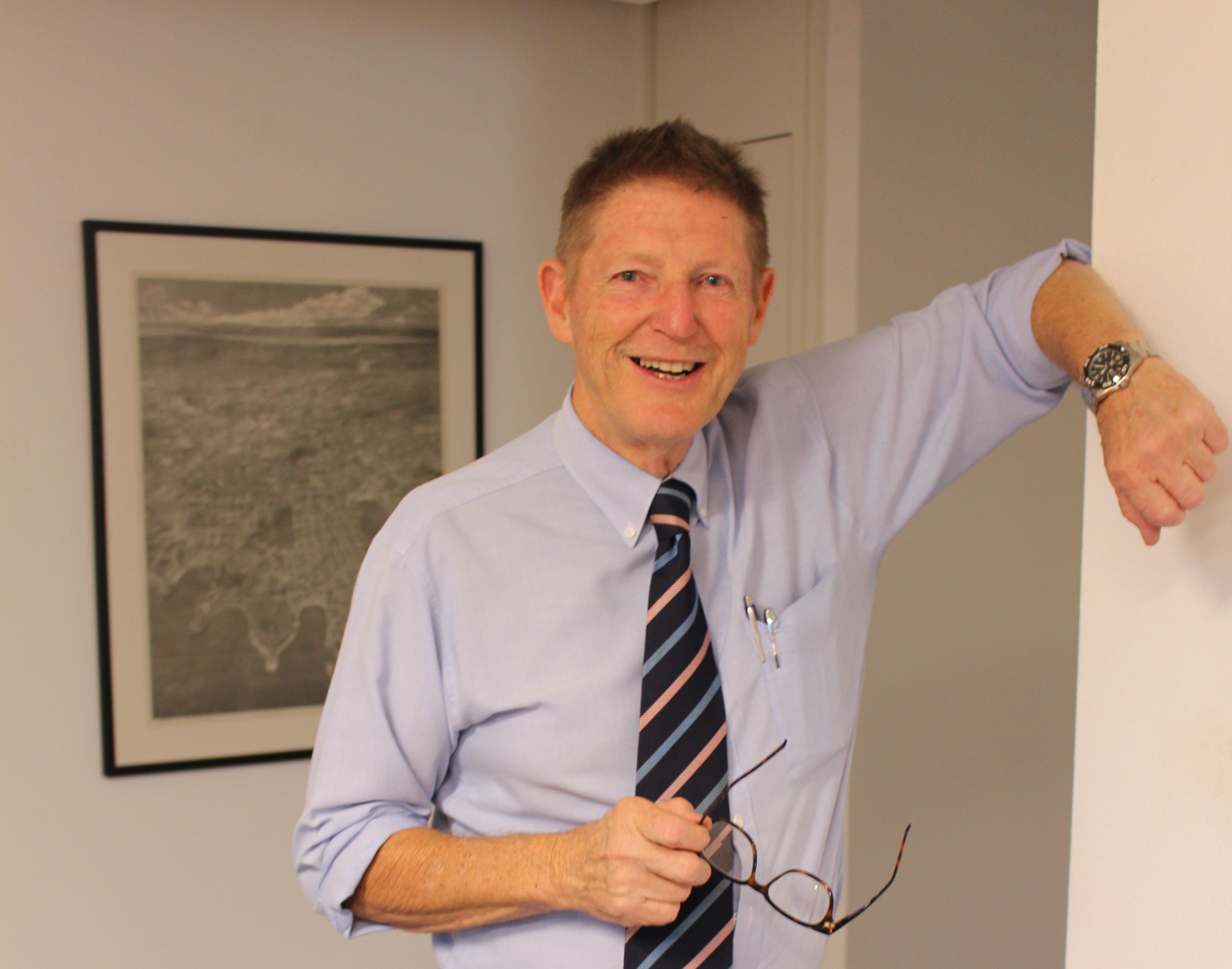
 Warwick Lorenz is Managing Director of Australian Pump Industries and a passionate advocate for the infrastructure programs to provide major improvement for farmers around Australia. Further information on Australian Pumps' ‘Drought Proof Australia’ program is available from Australian Pump Industries.