In many Australian communities, a waterfront lifestyle is integral to the way we live. But achieving a balance between providing adequate protection and support for waterfront structures while still maintaining a pleasing aesthetic that remains respectful to the natural landscape is a constant challenge.
Achieving this balance is the subject of a paper to be presented at the
IPWEA International Public Works Conference in Perth this August. Presenting the paper is Dale Olsson from M P Rogers & Associates Coasts and Ports, specialist coastal engineers in Perth who have come up with many innovative structures and solutions that are redefining the way we view coastal barriers.
“Traditionally, coast defences have been quite obvious and can be quite obstructive aesthetically on the coast line and a lot of people don't like the look of rock structures such as a seawall or revetment in front of a building on the coastline,” says Olsson, explaining that his team’s focus has been to search for solutions that are more hidden and blend more seamlessly into the environment.
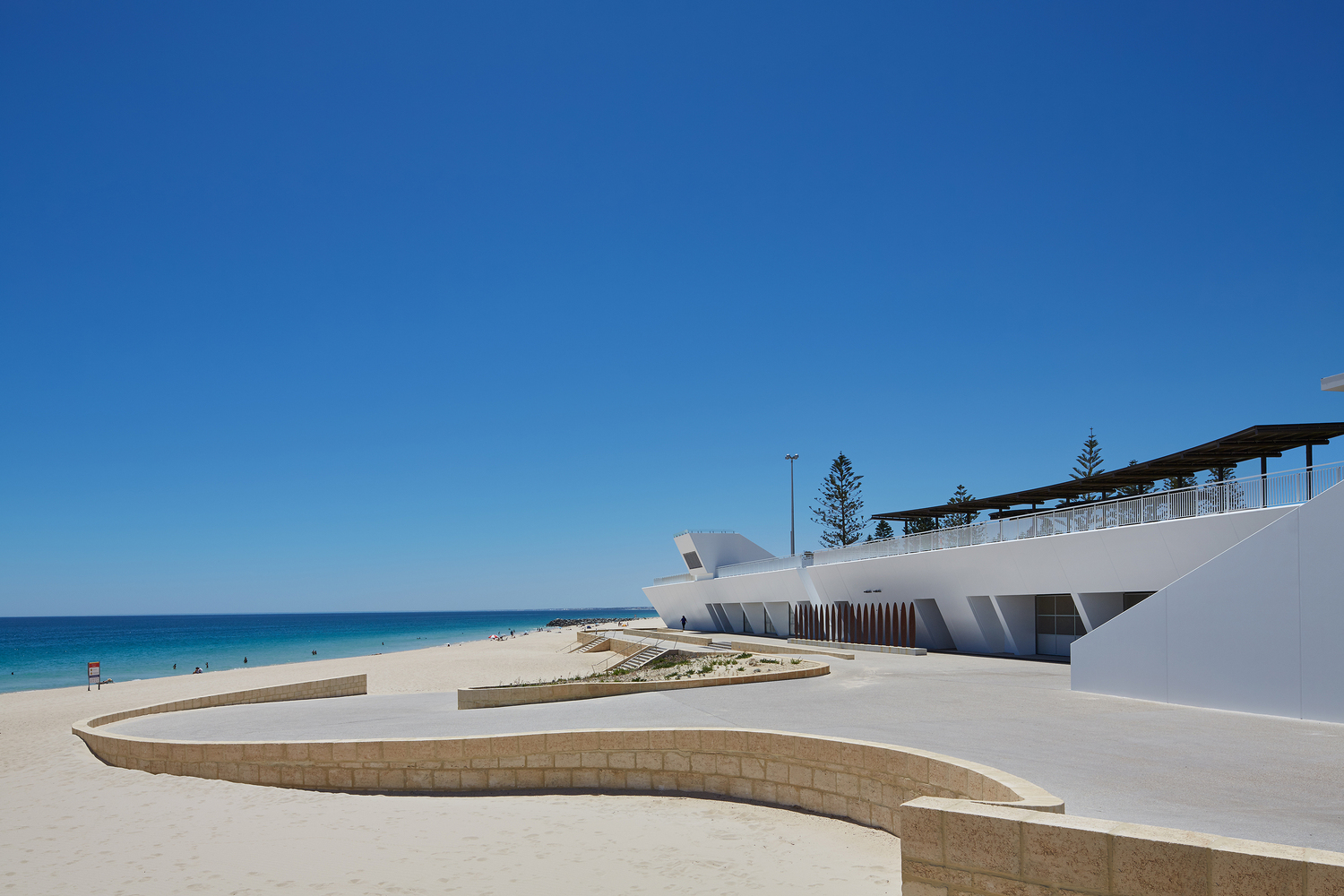
Using the example of surf clubs on the coast, Olsson says, “The approach we've taken with them is kind of semi-bearing the structures, with the protection lying underneath the beach or sand the majority of the time.”
Olsson explains that despite being hidden, the defence or barrier provides the same level of protection as would a revetment, and it’s not until the very larger weather events that it is protecting against (for example a storm, flood or king tide), that you would even notice its existence.
“In a larger weather event, it cuts back to the rock structure, ensuring that the infrastructure is protected, but 90% of the time people don't realise they’re walking over the top of it," Olsson says.
Another area in which Olsson is providing innovation is in the creation of softer edges around the shoreline.
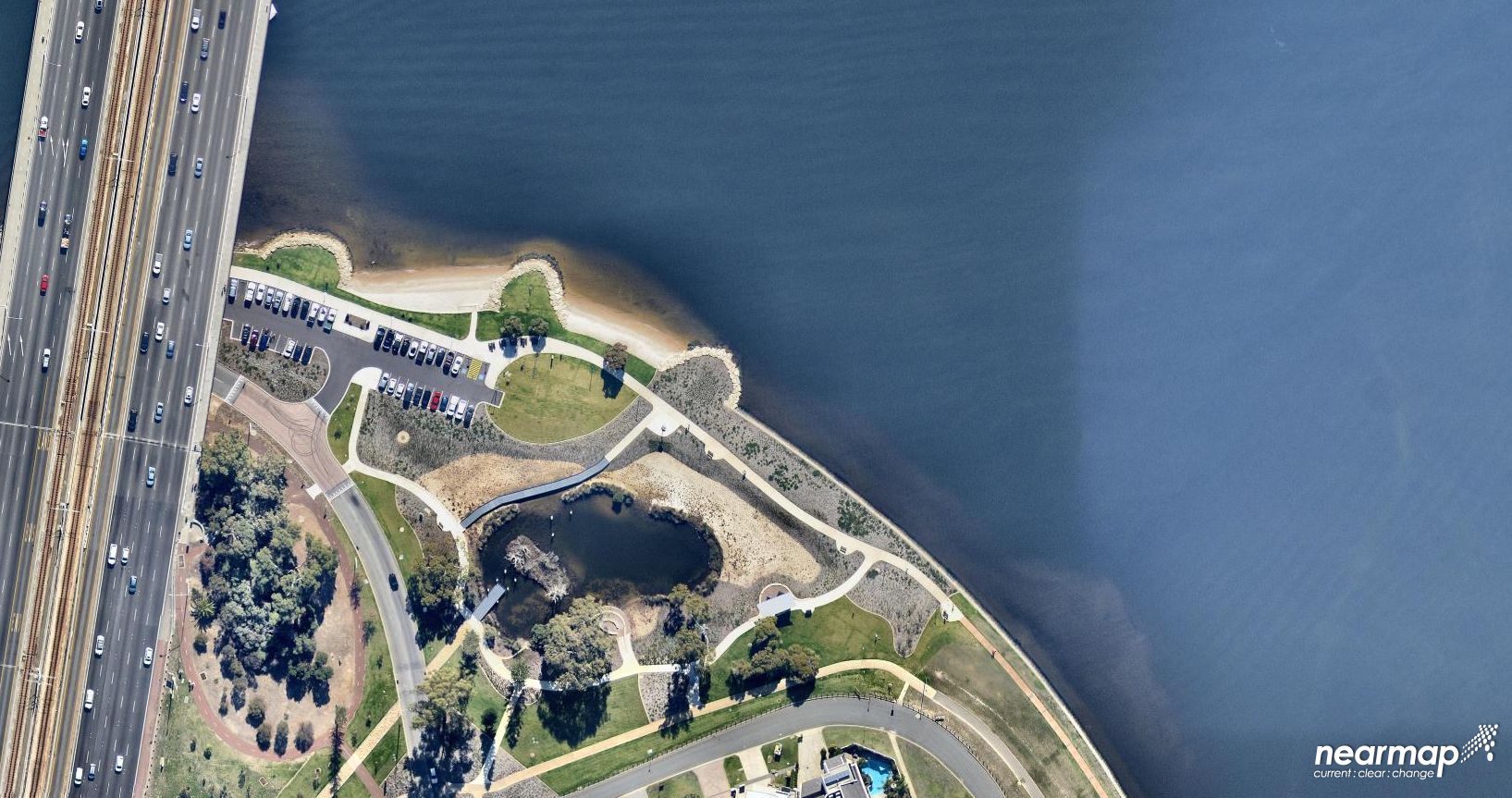
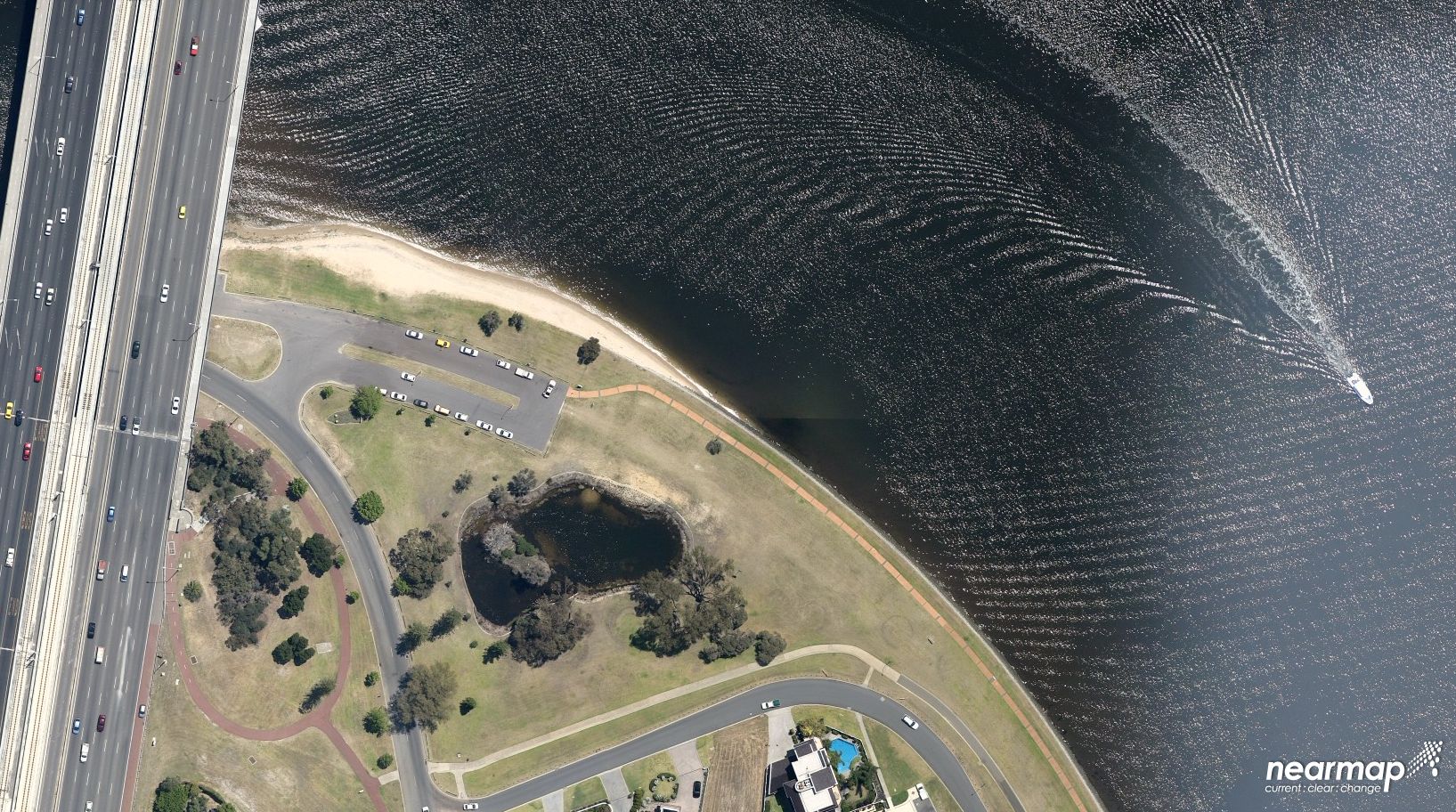
“Along the river in Perth, there were historically a lot of hard edges, which limited people's access,” he explains. “People could walk along the shoreline but not get that interaction factor because they’d come up against hard vertical concrete river walls.”
Olsson’s team’s response has been is to put the headlands and beaches back in, “to increase that interaction factor for people by regrading the shoreline, putting in protection nodes and headlands which can be planted out and provide nice aesthetics to break up the visuals of the shoreline.”
Olsson adds that the same level of protection as a vertical wall can be achieved “by using a beach with only a small stepped wall at the back, so if the beach erodes or whatever, you end up with steps down onto the sand, rather than having a vertical wall where you can't interact with the water.”
Borne out of discussions with Parks and Wildlife administrators searching for a more natural-looking environment, Olsson says that regardless of whether you’re protecting a surf club or simply protecting a path and a grassed parkland, these innovations can provide a result that’s structurally sound while remaining sensitive to its surrounds.
“It’s a balance between the hard engineering and providing the protection to the infrastructure and asset, but also balancing that with the softer, environmental and recreational values of the areas,” he says.
To hear more on coastal protection innovations, be sure to attend Dale’s presentation at the
IPWEA International Public Work Conference, at the Perth Exhibition and Conference Centre from August 20-23.
Images: Image 1: The Narrows Beach before
Image 2: The Narrows Beach after
Image 3: City beach completed