Few things are as valued within a council as well-maintained, serviceable roads, but the costs of maintaining an ageing road network with limited funds can be exhaustive.
However, taking a preventative angle rather than waiting for a road to fall apart before fixing it can provide an outcome that is both much more sustainable and considerably more cost effective.
In his presentation at the upcoming
IPWEA International Public Works Conference, held at the Perth Exhibition and Conference Centre from August 20-23, Colas Australia’s Technical and Marketing Manager Trevor Distin explains the key to reducing costs and extending the life cycle of low-trafficked roads is to “be proactive and monitor the degradation of your roads, then use inexpensive preventative methods to preserve your assets.”
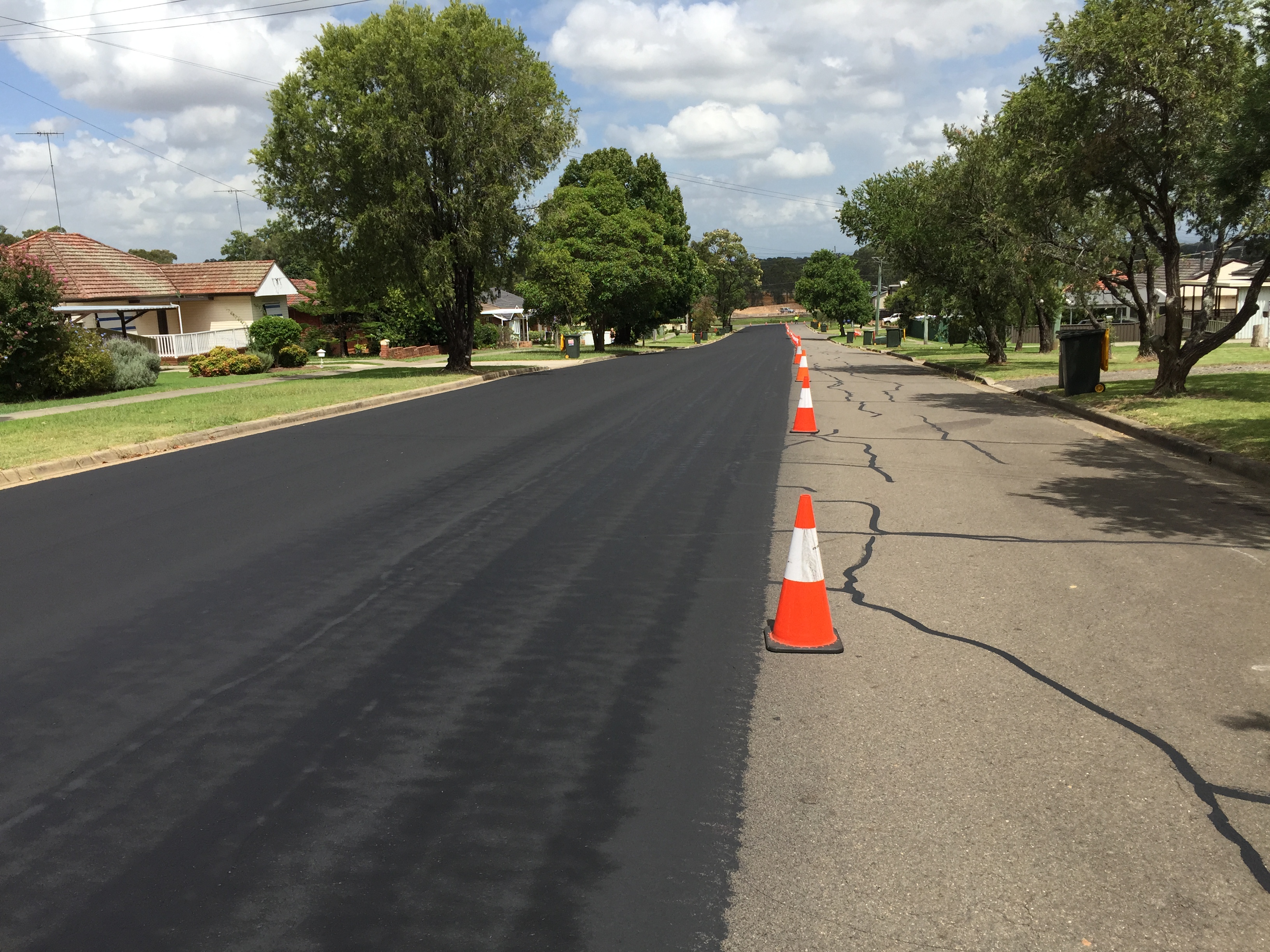
The first step to consider is the design of the road itself and ensuring the road’s surface is designed for its correct usage, explains Distin.
“We tend to design for a worst case scenario – as though we’re building a highway – but in councils we generally don't have the traffic volumes, so you need to make allowance for that in your design and construction stage to ensure longer life in that low-traffic environment.”
In low-trafficked roads, asserts Distin, the bitumen sticking the stones together is not being regularly compacted to give you a closed surface, allowing water and air to enter which leads to cracking and stone loss. To avoid rapid deterioration, it’s necessary to seal the road – a process which can take many forms.
“The standard treatment to seal a road is to spray bitumen on it and then cover the bitumen with single sized stone to form a sprayed sealed surface,” says Distin. “The problem with that kind of surface in a residential area, is that it's rough, uncomfortable and noisy.”
At the other end of the spectrum is the much more expensive, smooth and level asphalt, but Distin explains there are several less costly options along the way.
“Your first and cheapest option is to monitor the ageing of the road and when the time is right, apply a light bitumen emulsion – you basically paint the road,” says Distin, explaining this method works to a point beyond which the road becomes too slippery.
“The second stage is incorporating a mineral component into that bitumen emulsion, a filler with a bit of texture and skid resistance to it, more than simply a paint job and waterproofing.
“The third option is a mixture of bitumen emulsion with crushed sand, which is applied in a single application. You get a thin covering overlay on your road which is smooth but with a bit of texture to it.”
Distin says these inexpensive maintenance options will significantly extend the life or functionality of your road before you have to expend big sums of money going to the asphalt option.
“You’re going to use far less raw material like stone and bitumen, reducing the demand on these natural resources,” he says. “All three methods are cold processes, so they’re very environmentally acceptable and safe, and they make far better economical sense. The key is to have a management system in place to ensure you can employ these methods to manage the condition of your pavements before it's too late.”