What is the role of the fleet manager in your organisation?
Is the fleet manager the custodian and controller of the plant, vehicles and equipment in your organisation? Is the fleet manager responsible for the allocation of cars and trucks and the overseer of how they are used?
You may or may not have answered yes to the above questions, but in reality, the fleet manager (or similar title) often finds themselves in the unenviable role of being specifier, buyer, issuer, repairer, policeman, auditor… the list goes on.
The trouble is this allocate and control approach invariably leads to adversarial and negative relationships. The fleet manager says, “They don’t appreciate what I give them” or “all they do is break good gear”. The end user says, “why are they telling me what to do” or “they never give me what I need”.
What about when fleet managers consider themselves enablers or business partners? Could this be a model that overcomes the conflict and focuses on common objectives?
The business partner type of fleet manager works with the end user to define the best way to provision operational needs. Responsibility is shared. Outcomes are transparent. Of course, this model implies shared accountability. Costs need to be apportioned relevant to accountability, responsibility for system breaches (such as traffic infringements or misuse) reside with the business partner – not the fleet manager.
Well, how does this happen? Depending on where you currently sit, this could be a relatively simple or alternatively a huge cultural shift.
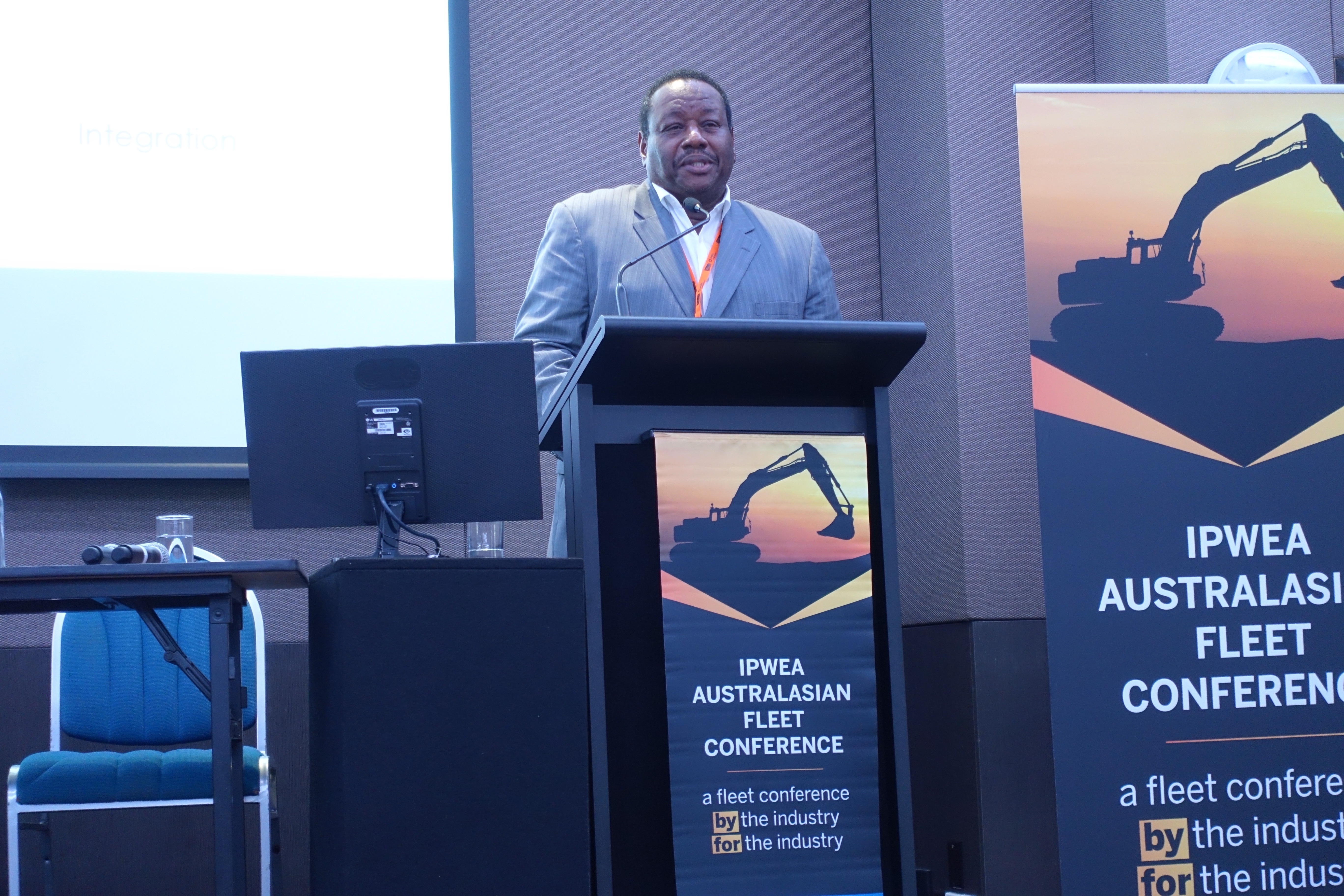
According to Tim Fitzgerald – Fleet Director with DC Water and Sewerage in the US – a cultural shift can be advanced by including stakeholders in the process and by being transparent with information.
Speaking at the IPWEA Australasian Fleet Conference in Brisbane on 24 May, Fitzgerald demonstrated how the use of data and intelligent dashboard reporting drives improvement and increases accountability for fleet management.
This approach can lead to business partnership where goals are shared and accountabilities and outcomes reside where they can best be influenced.