By Peter Jarvis, Head of Strategy, Growth and Marketing – ITS PipeTech
As our utility assets age and the demand placed on them increases, asset managers are faced with the decision of whether to replace or renew their critical pipe networks and infrastructure.
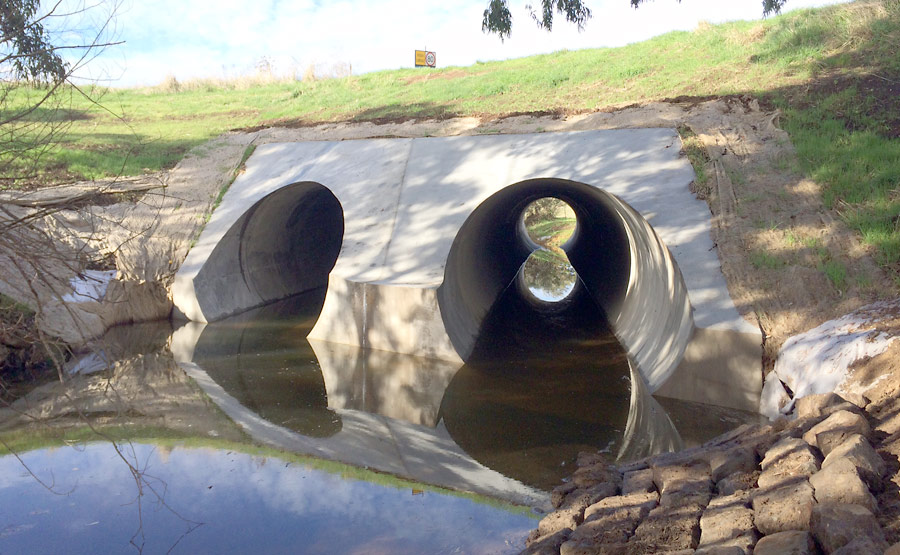 At the same time, utilities and service suppliers must also consider the impact of having a water network that fails or is not optimised to deliver the increasing demands of the broader community. Considerations for asset managers include;
- The overall asset performance and uptime
- Cost of renewal vs rehabilitation
- The impact on the environment and community
- Design life and fire resistance (particularly relevant in bush fire prone areas)
These are fundamental questions facing our utilities and asset owners as our ageing infrastructure starts to show signs of age, stress and increased demand. As our population increases, the performance demands on our ageing water and waste water assets is also increasing – yet critical planned maintenance programs are either being delayed or sidelined in the continual drive for the cost savings.
Innovative options
It goes without saying that pipes, culverts, tunnels and sub-surfaces conduits are all prone to damage, degradation and becoming a danger to the community.
With the addition of today’s traffic, loading and increased demand factors (that were never conceived at the time of the asset’s original design), we’ve seen greater requirements for supply continuity whilst being ever-sensitive to the impact on budgets, environment and the surrounding communities. Regardless of how these structures were originally built, much like the above-ground infrastructure that they sit under, regular maintenance is required and from time to time major upgrades are necessary if the asset's 'uptime' is to meet performance and safety demands.
Leading pipeline rehabilitation specialists continue to innovate and develop new technologies that can add to the serviceability life of our sub-surface utility and drainage infrastructures, without using the conventional expensive and disruptive techniques of open cut dig and replace methods.
To support this environmentally friendly trenchless remediation philosophy, several new technologies have been introduced into Australia to provide asset owners with a viable and economical alternative.
Ultra Violet Cured high strength fiberglass lining systems from Germany, for diameters ranging from DN150 to DN1600mm, provide a trenchless solution to relining these ageing pipes and stormwater culverts.
One of these world-class CIPP liners is Berolina, which can be installed using trenchless techniques in sewer and stormwater environments for a variety of pipe profiles. This technology provides a semi-structural lining to existing pipes, while retaining the maximum hydraulic capacity due to its thin wall-relining material.
In addition to CIPP Berolina, the Tunneline relining technology/system was introduced to Australia from the UK in 2012. Tunneline is a bespoke reinforced concrete lining system that casts a fully structural in-situ lining that is fully compliant to Australian Standards. Since its introduction, Tunneline has been used to reline more than 5000 lm on more than 150 individual cell sites – ranging in structures as small as 900mm up to spans of 8.2m – and has successfully been used to complete rehabilitations on Circular, Elliptical, Oviform, Arch, D section and Box profiles throughout Australia.
The trenchless relining approach to solving technical problems together with the underlying philosophy to reuse existing pipe network assets, remains a fundamental factor and driver for Australia’s water utilities and asset managers to utilise this efficient remediation methodology instead of the traditional and often disruptive open cut dig and lay repair methods.
Image: Tunneline relining technology