With a widely-dispersed population and 5000km of roads, New Zealand’s Southland District Council needed a better, more sustainable way of managing its roading assets.
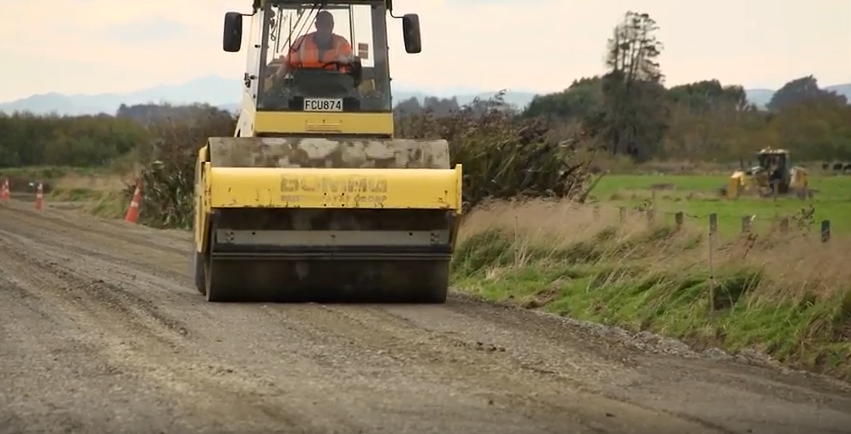
The solution was the Changing Direction: The Way Forward for Southland’s Roads project, which uses new technology, resource allocation tools and procurement methods to make smart decisions for managing the district’s roads.
The project has already been hailed a success, recently winning the Local Government New Zealand Chorus Excellence Award for Best Practice in Infrastructure.
Joe Bourque, the council’s Strategic Manager for Roading, says the council recognised it had to do something wildly different to the norm.
“We have such a large network with very few ratepayers that we have to try and do things more creatively and more efficiently than conventional applications,” he explains.
A suite of three initiatives – the Eyes and Ears partnership, RoadRoid and the 80:20 rule – are the backbone of the project.
In the Eyes and Ears partnership, the council has joined forces with multinational dairy co-operative Fonterra. The company’s drivers, who are very active on the area’s roads, pass on feedback and report any issues they find.
“The Fonterra drivers literally become our eyes and ears with our network; when they drive by and they notice a sign missing or a tree on the road, they notify us immediately and we can deal with it,” Bourque says.
To improve the quality of the data collected on the region’s road, a phone app called RoadRoid was introduced in May 2015.
Also produced in collaboration with Fonterra drivers, the app collects road surface condition data.
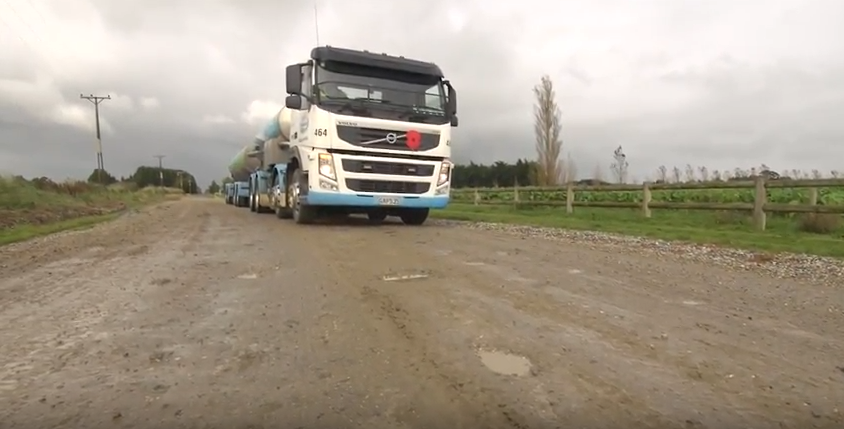
“When Fonterra is doing milk collection or delivery, they are mapping the roads and doing the work for us,” Bourque explains.
“Now we have technology we can apply very low-cost and very effectively, and even have it on Fonterra trucks to give us an idea what condition the roads are in.”
The data collected through the app showed 20% of the district’s roads carry 67% of vehicle traffic, which led to the 80:20 principle being developed in June 2015.
The premise of the principle is that more funds will be allocated to roads with higher vehicle numbers, Roading Asset Management Engineer Hartley Hare says.
“The 80:20 rule is trying to focus where our key 20% of roading activities occur, and making sure those roads are optimal level of service to keep the majority of our road users happy,” he explains.
It allows works to be re-prioritised using data that shows if and when work is needed, reducing the frequency of work in some areas.
Roy Clearwater, Safe systems Roading Engineer, says the innovations have allowed the council to give residents accurate information, assisting with levels of service discussions.
“These innovations allow us to promptly give ratepayers exact figures and facts rather than their own interpretation of the issue,” he says.
Images: Southland District Council.