Australia’s road rules need a major overhaul before driverless cars can hit our roads en masse, according to the National Transport Commission (NTC).
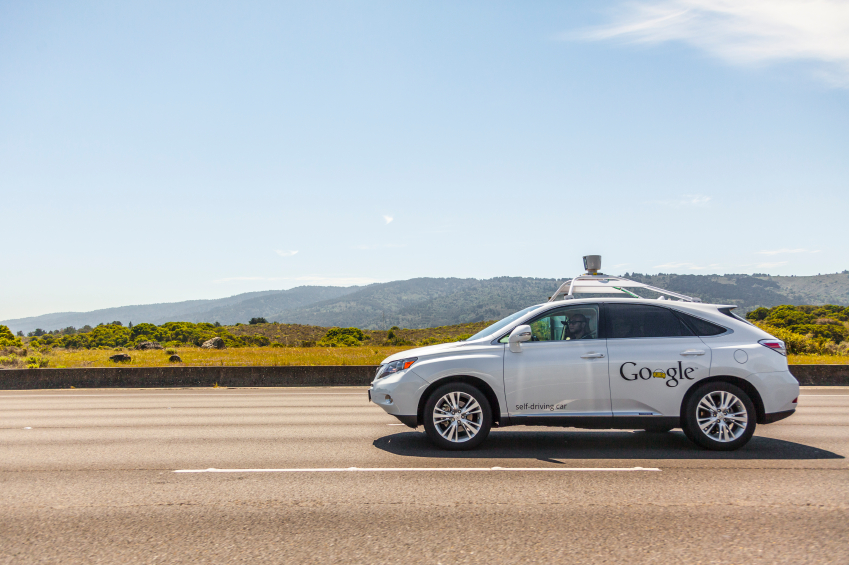
The NTC has released a discussion paper titled Regulatory options for automated vehicles, the annex to which analysed potential barriers or issues in 716 provisions in Commonwealth, state and territory legislation.
According to the paper, these barriers need to be addressed as soon as possible to ensure clarity around the status of more automated vehicles on Australia’s roads, and to support further trials.
In many ways, the findings are unsurprising. As NTC Chief Executive and National Transport Commission Commissioner Paul Retter wrote in a piece for the Sydney Morning Herald, laws must fit the landscape of the day.
“It would have been ridiculous if the people who wrote our current laws included laws for driverless vehicles in the same way that we shouldn't bother writing laws for teleporting people now,” Retter wrote.
However, that does not make the changes any less urgent.
The Australian Road Research Board’s (ARRB) Readiness for Self-driving Vehicles in Australia report authors wrote that policy makers must to be well-informed and have a clear understanding about the future of self-driving vehicles, to ensure: “effective legislative and regulatory mechanisms are in place”.
The report concluded that: “The challenges facing Australia with the emergence of self-driving vehicles are perhaps more far reaching and immediate than many recognise.”
Retter says, in the longer term, other legislative barriers will need to be addressed to allow fully driverless vehicles in the future.
“Australia’s laws need to be ready for the biggest change to our transport system since cars replaced horses,” Retter says.
“Amending these laws shouldn’t be hard, but making sure the new laws are nationally consistent and encourage innovation while ensuring the safety of all road users will be important.
“Stakeholders now have the opportunity tell us how to make sure we have the best possible national laws for our national economy and our local communities.”
The NTC will take recommendations to Australia’s Transport Ministers when they meet in November.
Some of the legal conundrums the Commission listed include:
- How can governments enable on-road trials of automated vehicles nationally?
- How can governments help clarify who is controlling a vehicle when the human driver is not driving? Or when control can alternate between a human and an automated driving system?
- How should the requirement that a driver must have proper control of a vehicle be interpreted by police when there is no human driver?
- What should happen to the range of laws that put obligations on a human driver of a vehicle, such as rendering assistance after a crash, complying with directions from police, and paying tolls and fines?
Additionally, it is unclear whether people injured in a crash with an automated vehicle will always be able to claim insurance under compulsory third party insurance or state-based accident compensation schemes.
Retter called on interested parties to make a submission to help ensure Australia reaps the full benefits of automated vehicles as soon as possible. Submissions can be made at www.ntc.gov.au until Monday, 4 July.
The NTC will analyse these submissions when making final recommendations to Australia’s transport ministers for their scheduled meeting in November 2016.