Using innovative trench-less technology, Willoughby Council has breathed up to 100 years of life back into 2.5km of underground stormwater pipes.
Willoughby City Council General Manager, Debra Just, says pipes stretching across five suburbs were in need of major repairs.
“Some of the pipes had badly displaced joints, longitudinal cracks and tree roots intrusions,” Just says. “Missing sections of pipes were also a common problem.”
Many of the pipes are old; Just says available data reveals some of the pipes were constructed around 1966. Pipes with no data available can be older than 50 years.
Open-cut trenching is far more destructive, especially in highly populated areas where numerous other underground assets can be affected. In addition, some of the pipelines needing repair run under residential and commercial buildings, making it impossible to access them from the surface.
The council turned to trenchless technology, which Just says offers a cost-effective solution compared to open-cut trenching. The project cost $2million.
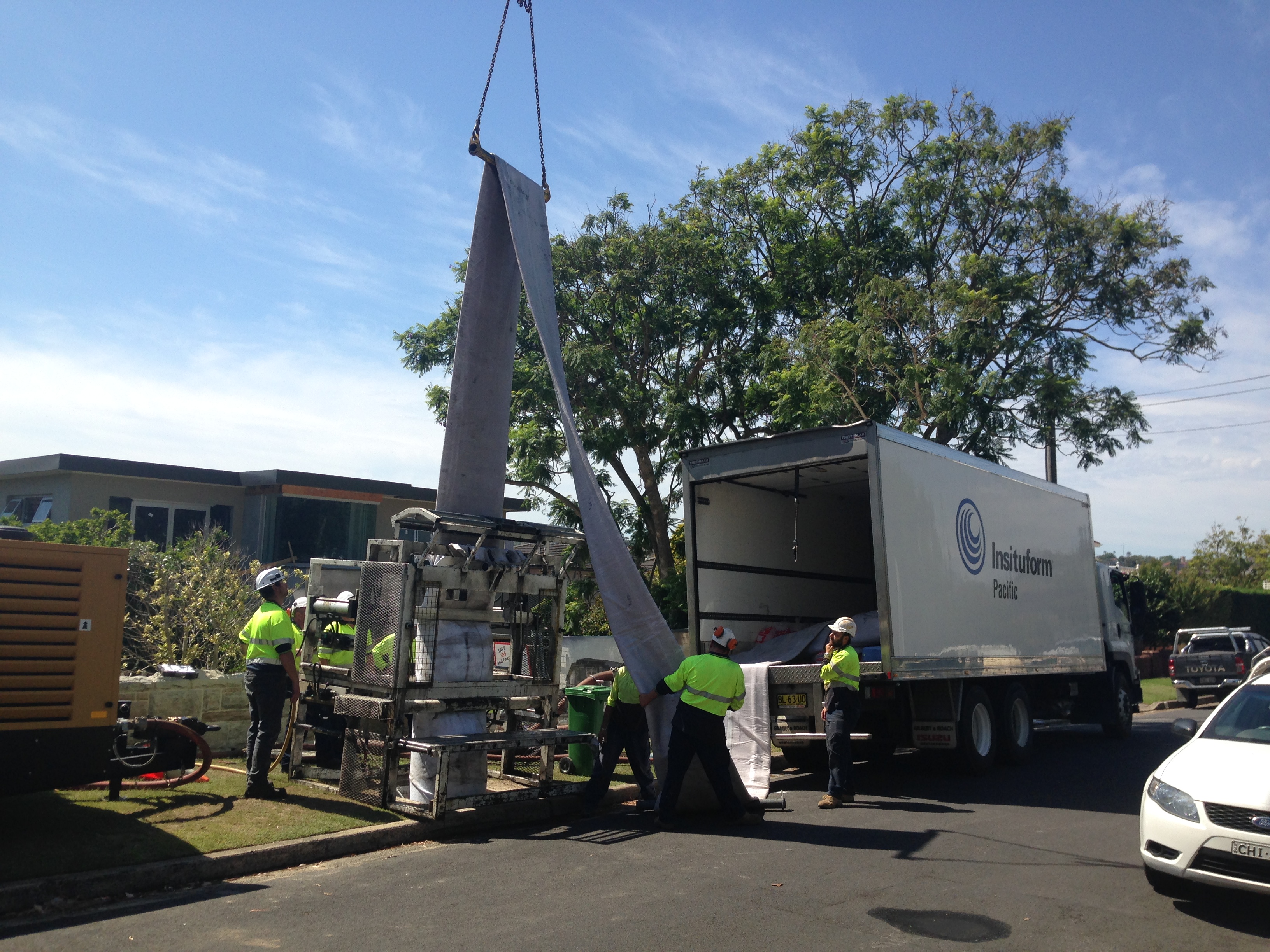
Firstly, a CCTV inspection is carried out through pipes to determine their suitability for relining. A high pressure water cleaning process is then used to clear the bore of the pipeline. During the relining work, a resin-impregnated, fiberglass woven sock is inserted into the pipe, from pit to pit (generally around 75–100m long).
The sock is then steamed to expand it onto the host pipe, and it cures for around four to five hours. Remote cutting technology is then used to open service connections. A final CCTV inspection is carried out to ensure the works have been successful.
“The project has been very successful,” Just says. “The pipes have been repaired with less disruption to residents and roads than other options. The life of the pipes has been guaranteed for at least another 70-100 years, and the cost of trench-less technology is three to four times less expensive than other options.”