Civil construction engineer Martin O’Malley says his extensive experience working with many stakeholders on public works projects helped prepare him for international humanitarian work with RedR Australia.
“The stakeholders in an international emergency relief setting are many and diverse and the strategy you develop for dealing with them will determine how successful you are,” O’Malley says.
“Being service oriented is important too as, ultimately, that is what we do in a humanitarian context – deliver a service to people who need it.”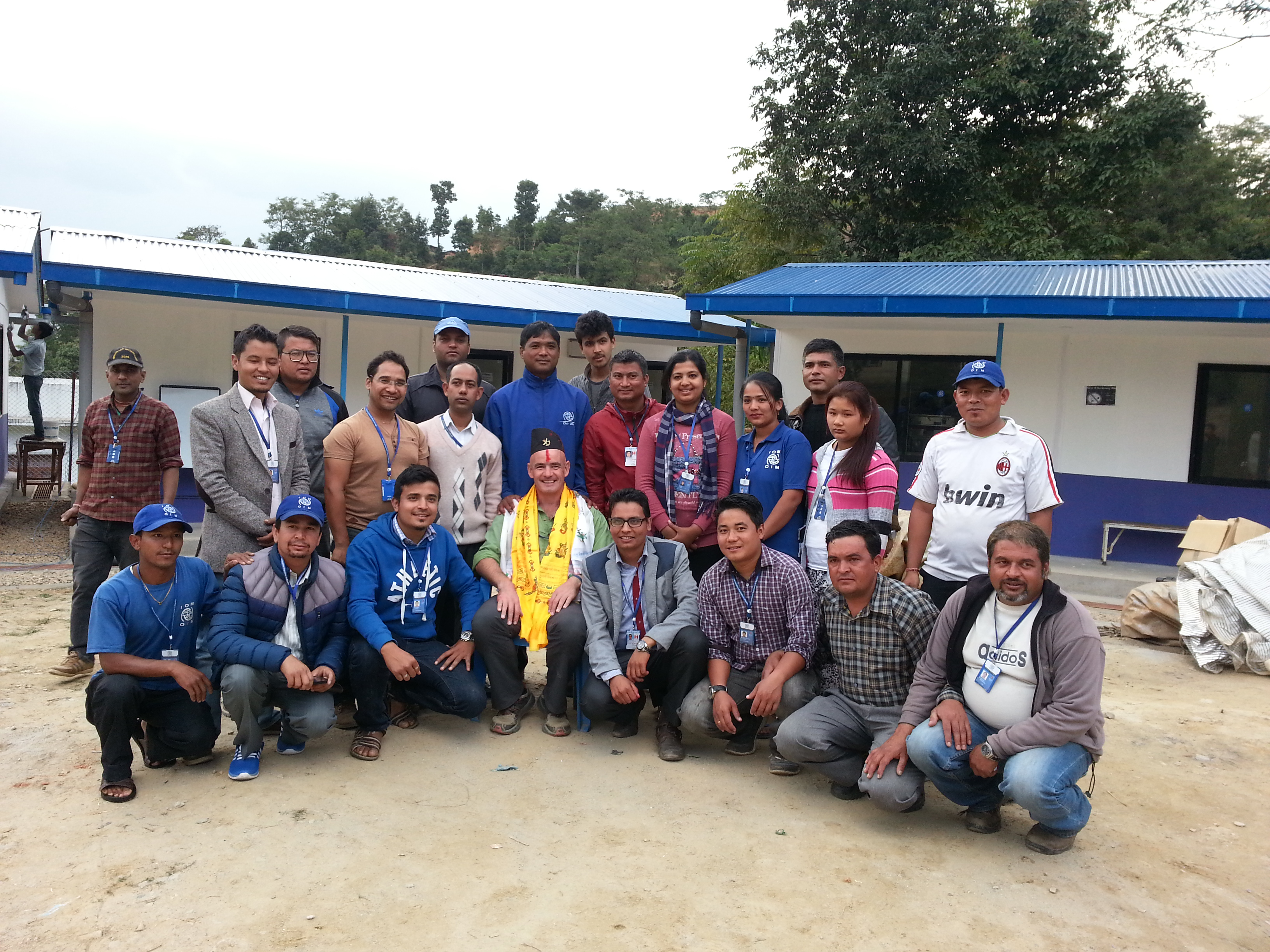
O’Malley was deployed by RedR Australia to work with the International Organization for Migration (IOM), the principal intergovernmental organisation in the field of migration. During the Nepal earthquake response, the IOM provided leadership support on shelter construction to the international humanitarian community.
O’Malley has spent the past three months in the Sindhupalchok district of Nepal, one of region’s most severely affected by the earthquakes this year. More than 80% of Sindhupalchok’s buildings were fully or completely damaged and 3557 people, including 949 children, were killed.
O’Malley, who lived in a tent during his assignment, was responsible for coordinating the various agencies involved in shelter relief distributions, winterisation planning and the recovery and reconstruction planning in the district. This involved collecting and mapping information on their activities and advocating for them to provide support to regions that were under serviced. In this way, he sought to ensure a more equitable distribution of aid and reduced duplication.
His team was also responsible for monitoring and interviewing beneficiaries about the support they received from IOM’s contracted partners.
“My experience dealing with public meetings and councillors in my previous role was a fantastic preparation for being involved with the United Nations, INGO and NGO organisations that I worked with in Nepal,” O’Malley says.
“We work in a bureaucratic system and that will not change so having exposure to this is really useful in terms of reporting and stakeholder involvement. I think one of the key lessons that I brought from working with a council in New Zealand is that most people are willing and able to assist with the aim of a particular project.
“What we need to do, as technical representatives, is to put the descriptions in plain language so that people understand everything clearly and can
be confident they know exactly what it is that we are trying to achieve. Once you can inform people effectively, you have gone a significant part of the way to getting their support and buy in.”
In 2011, O’Malley spent a couple of weeks consulting on the Christchurch earthquake response. He says when he compares Nepal’s survivors to those in New Zealand, he is struck by the universal resilience of people, and how they can quickly adapt during emergencies.
“However, there were stark differences between the responses,” O’Malley continues. “The local authorities and the private sector played a significant role in the aftermath of the Christchurch quake which was missing in Nepal. Obviously, the financial capacity of the population has a lot to do with how people recover, but also the mechanisms that are in place in a country like New Zealand such as mental health support, unemployment support and many other things that are just not available to the Nepalese.”
O’Malley says a lot of the damage that occurred in his district of Nepal resulted from the traditional housing construction method.
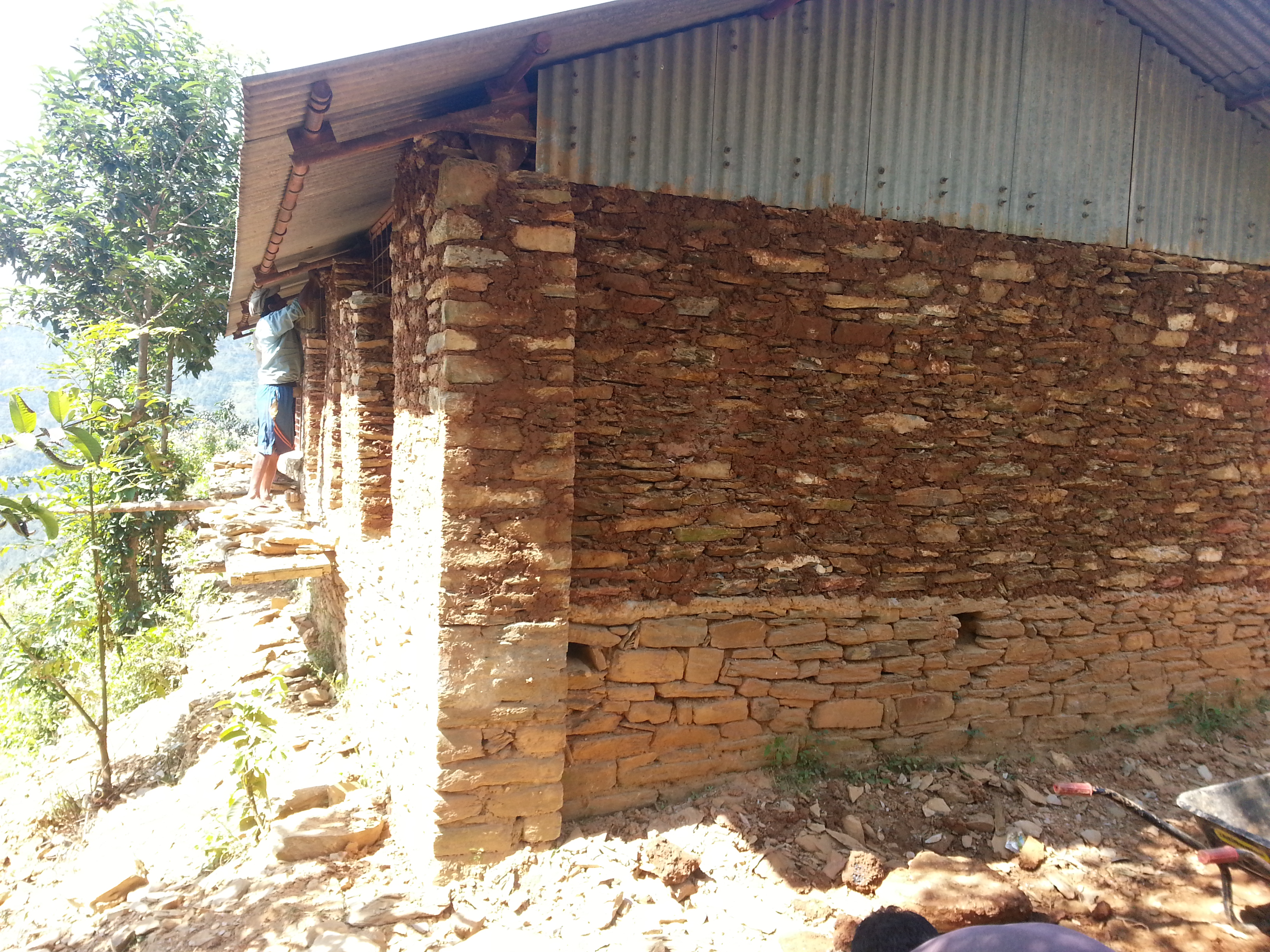
“Most houses are constructed with two layers of stone on either side of a mud filling that’s used to bond the stones and the structure relies on its weight and that of the roof to keep things in place,” O’Malley explains.
“However, during the earthquakes, the dried mud fell from between the stones, resulting in partial or total wall collapse.”
O’Malley and his colleagues spent time advocating for communities to build back better and safer by using banding/ring beams and tie stones at corners and throughout the walls.
O’Malley will head to Afghanistan before Christmas to coordinate shelter needs for the United Nations High Commission for Refugees, in the aftermath of the recent earthquake that affected Pakistan and parts of Afghanistan.
RedR Australia relieves suffering in disasters by selecting, training and providing competent and committed personnel to humanitarian relief agencies worldwide.
They have 17 experts deployed in 12 crisis-affected countries, and are responding to the European refugee crisis, the severe flooding in Myanmar and the civil war in South Sudan.
RedR is funded by government grants, corporate partners and public donations, and is supported by IPWEA. For more information on where they work and how you can support their work, visit RedR's website.
Photo captions:
1. Martin O'Malley, pictured in the centre, in the Sindhupalchok district of Nepal
2. Constructing a more resilient shelter