Take a walk through Australia’s major cities, and chances are a flash of green will catch your eye.
Green roofs, walls and facades are not new, but today cities are increasingly embracing the myriad benefits green roofs can have for a population’s health, happiness and overall wellbeing.
Intouch spoke to Green Roofs Australasia co-founder, landscape architect and horticulturist Sidonie Carpenter about the ins and outs of green roofs.
Green Roofs Australasia is the peak body for the green roof, wall and facade industry and was formed in 2007.
After five years as president of the association, Sidonie now focuses on her landscape architecture practice in Brisbane which she has run for 25 years. 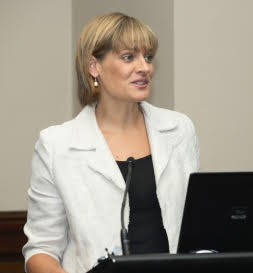
Intouch: Tell us a little bit about the history of green roofs.
Sidonie: Throughout history there have always been green roofs of various types. Until recently, they had been forgotten or had sunk into obscurity, only to be "re-discovered" and further developed.
Roof greening, roof gardens, roof landscapes have been created against various cultural and financial backgrounds, always depending on the surrounding, limiting factors associated with the location.
Roof landscapes are not typical green landscapes, but cultivated landscapes characterized by a certain roof shape and type of roof covering.
The grass roofs of the Scandinavian earth houses were the beginning of what we now call “extensive” greenroofs, spontaneous vegetation for thermal benefits due to the highly effe give heat storage and insulation effects
Modern Green roofs were built in Germany in the post war period. It was in the 80s that green roofs became an integrated part of architecture with extensive research providing information on the design and construction process but also the widespread benefits both economic, environmental and social.
The Australian green roof industry began back in the 60s with a number of “earth covered” houses being built. Modern green roof technology has been used in Australian green roof design since the 80s - don’t forget that Parliament House has an extensive green roof, which was designed and installed more than 25 years ago.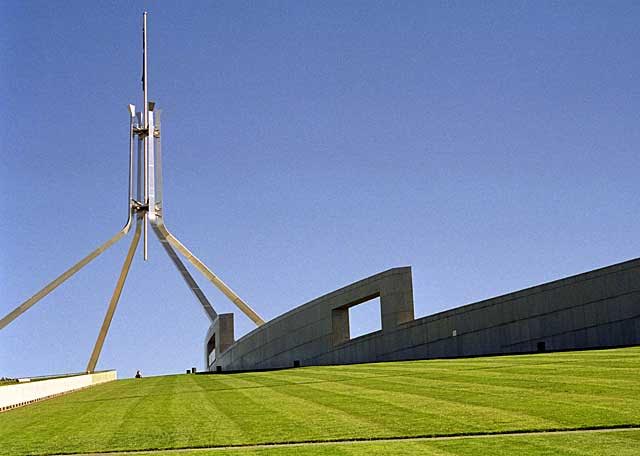
Intouch: How do green roofs improve liveability in cities, not just from an aesthetic point of view, but also practically?
Sidonie: Green roofs can:
- Reduce heating (by adding mass and thermal resistance value) and cooling (by evaporative cooling) loads on a building.
- Reduce the urban heat island effect on a macro level.
- Increase roof life span through protection the roof and providing waterproofing from environmental damage.
- Reduce stormwater runoff through peak flow management.
- Filter pollutants and CO2.
- Filter pollutants and heavy metals out of rainwater.
- Provide locally grown food, in which case it is known as a roof garden.
- Increase wildlife habitat in built up areas. As an example, Adelaide had been focused on the effect of wildlife corridors through the CBD using green roofs.
Intouch: Is the popularity of green roofs in Australian cities increasing or decreasing?
Sidonie: We have certainly seen an increase in the number of green roof and wall installations in Australia, from commercial through to DIY.
This is supported by a growing body of experience and research.
There has been a growing interest and focus on engineering issues like waterproofing and structural issues while managing the ever changing variables such as the plant selection, substrate choice, plant establishment and maintenance.
We are now seeing green roofs and walls springing up across the country as the many benefits they offer are better understood and the awareness of growing environmental issues are more keenly felt by all.
Each Aust city seems to be focusing on different areas and reasons to support this technology.
Melbourne has been very proactive and have written a document The Growing Green Guide to explain how to create high quality green roofs and walls.
There are green roofs and walls being installed on a regular basis in most Australian cities.
The number of green roof and wall design and construction companies is a good indicator of the number of projects being realised in Australia.
Intouch: Are there some truly standout examples of green roofs in Australian cities that come to mind?
Sidonie: Parliament House is a great example of a simple “extensive” green roof that is built from a very simple system of plywood decking and a simple soil substrate. The new Wonthaggi Victoria desalination plant, which covers 26,000m2, is a modern version of an “extensive” green roof - a very shallow soil profile planted with local species.
The research roof at Melbourne University’s Burnley is a great example of a “designed” habitable green roof.
Adelaide Zoo has a number of green roofs all species to the building structure and use.
Intouch: What are some of the major challenges to installing green roofs? Are there particular difficulties when retrofitting them to existing structures?
Sidonie: The design and implementation of a green roof project is relatively straightforward. It should be noted that just as each site, each building, each building owner, and each end user is different, so each individual green roof project will vary from the next.
The primary function a specific green roof is required to perform will have a profound effect on its overall design and installation. Green roofs cannot be considered as a “piece of fluff” that is added at the end of a project if the budget allows. For a green roof to be viable and successful and return the benefits it must be carefully integrated into the design and budget of the building construction. When a green roof has been integrated into the design e.g. storm water collection and management, solar and photovoltaic cell installation, it is not easily removed as the buildings performance depends on its presence.
The design process is cyclical; there may be a need to re visit each process until a balance is achieved between the site, function, budget and aesthetics.
Intouch: What sort of ongoing maintenance do green roofs require?
Sidonie: As with all buildings and landscapes maintenance is a consideration. Having said that if a green roof is properly designed and specified, maintenance is not a major area of concern.
- The green roof must be designed to support the short and long term growth of the plants.
- Client expectations need to be managed – green roofs are not always green and may take several years to establish.
- Select plant suitable for the climatic conditions.
- Keep vegetation clear of drains and perimeter to facilitate maintenance.
- Ensure maintenance regime is in place.
Intouch: What sort of plants are commonly used in green roofs?
Sidonie: This varies on every green roof - it can be dictated by a number of different factors, such as weight and structural load bearing which dictates the soil depth and species selection then also environmental uses such as site aspect, which affects sun, wind and water.
Intouch: Is green roof installation and maintenance a growing industry, and are there opportunities for engineers and public works professionals to become a part of it?
Sidonie: The industry is definitely growing in Australia, there are some great opportunities for growth in this industry
Intouch: Ultimately, can green roofs in cities make us happier and healthier?
Sidonie: Of course! Any additional greenery or outdoor space will always make people happier and healthier.