Who: Murrindindi Shire Council.
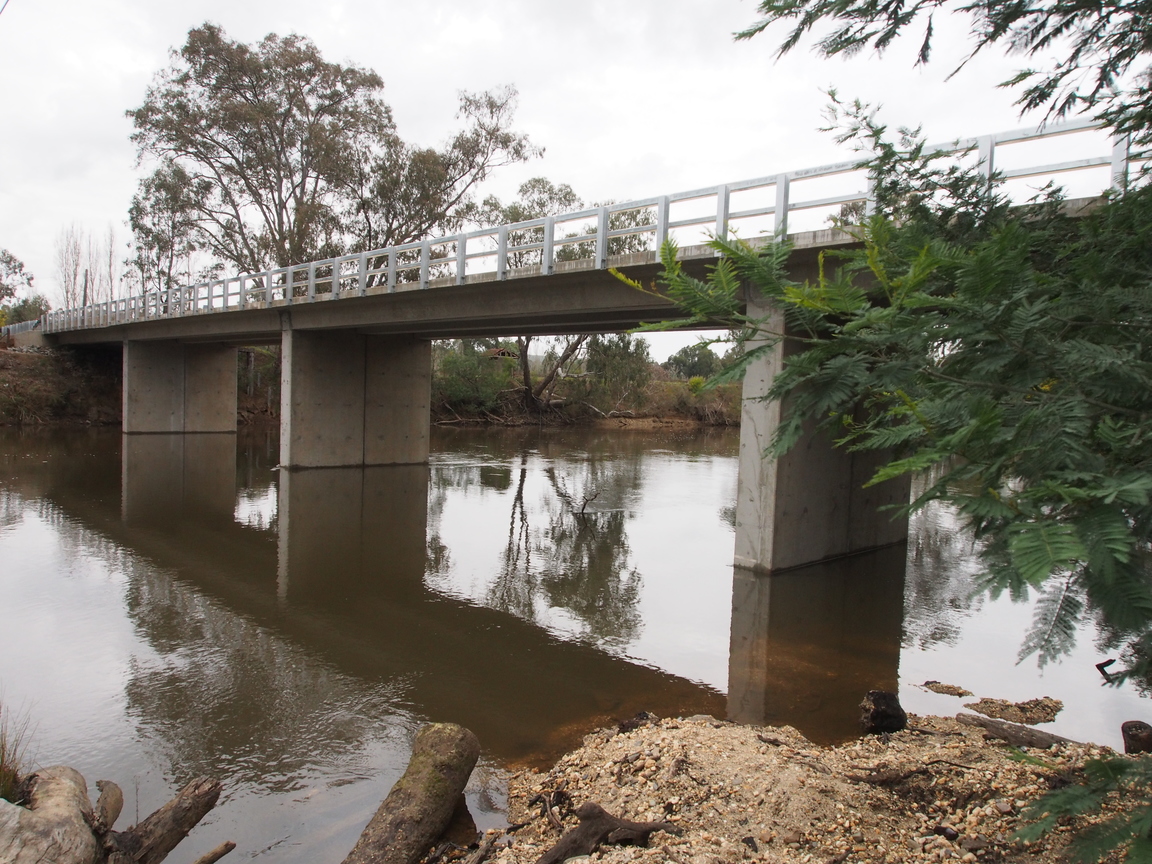
What: The Council constructed a new Ghin Ghin bridge, which took just three weeks from the start of demolition of the old bridge to the opening of the new bridge.
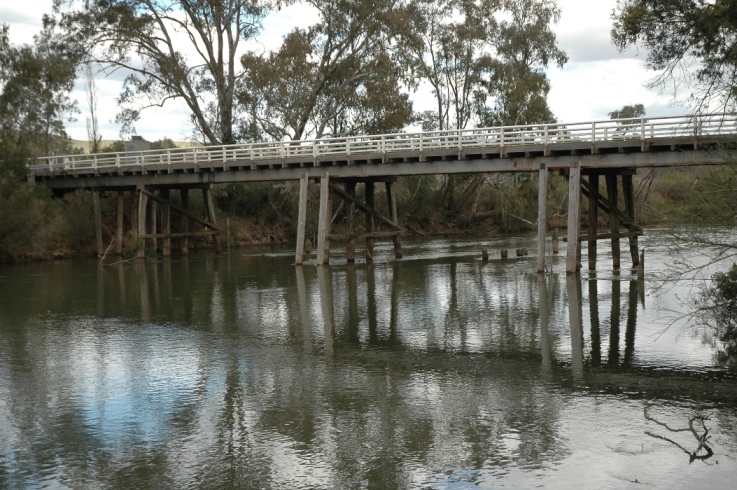
Why: The existing one lane, wooden Ghin Ghin bridge had reached the end of its life and become load limited.
How much: $1.8 million.
A small council in country Victoria has achieved the seemingly impossible, taking just three weeks to construct a bridge spanni
ng 75m across the Goulburn River.
On 13 July, Murrindindi Shire Council opened the new, two lane Ghin Ghin Bridge, replacing an existing one-lane, wooden structure.
Local councillor John Kennedy said the bridge, which was largely built in the 1970s and deteriorated to point where it had become load limited, was "in desperate need of replacement".
Following a State Government grant and allocation of funds from its own coffers, the council was able to start calling for tenders.
The time frame for a project of its size would usually be about five months.
But Murrindindi Shire Council Infrastructure Assets manager John Canny said cutting off access to the town of Yea for a large group of the community for that long was not an option.
"Once the road was closed it resulted in part of the community being cut off with at least an hour detour, and the school bus couldn't get into Yea, people couldn’t get to work, the community was basically isolated," he said.
Although alternatives to completely cutting off traffic were considered, none were deemed appropriate.
"We looked at a series of options," Mr Canny said.
"(But) temporary bridges were far too expensive, and building a bridge adjacent to the existing one was not viable because it would have required land acquisition and would have had a significant negative environmental impact.
"We looked at a series of different options and different design types, and we put tenders out based on a very limited time frame.
"We looked at the options that were provided to us and made a decision."
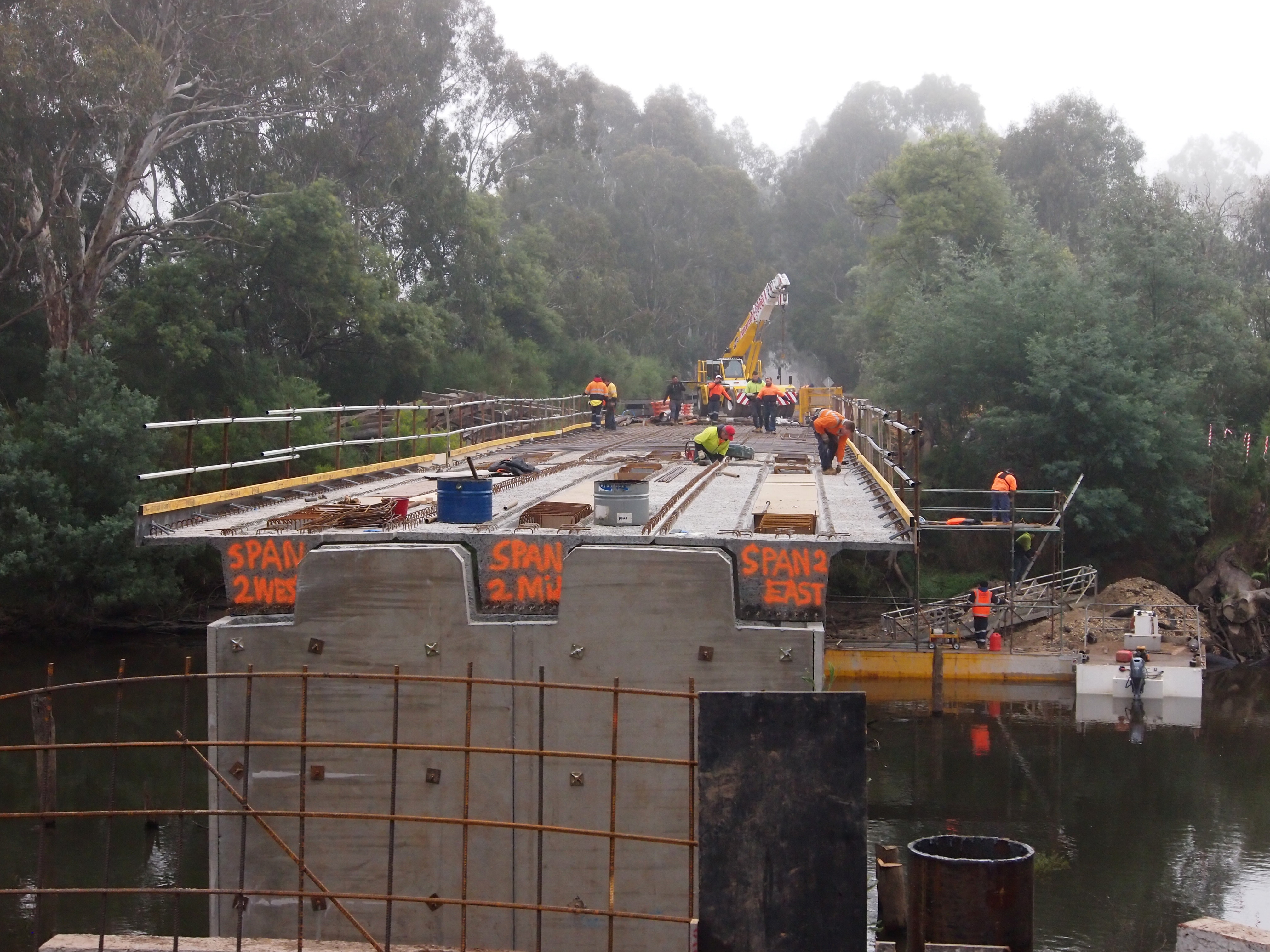
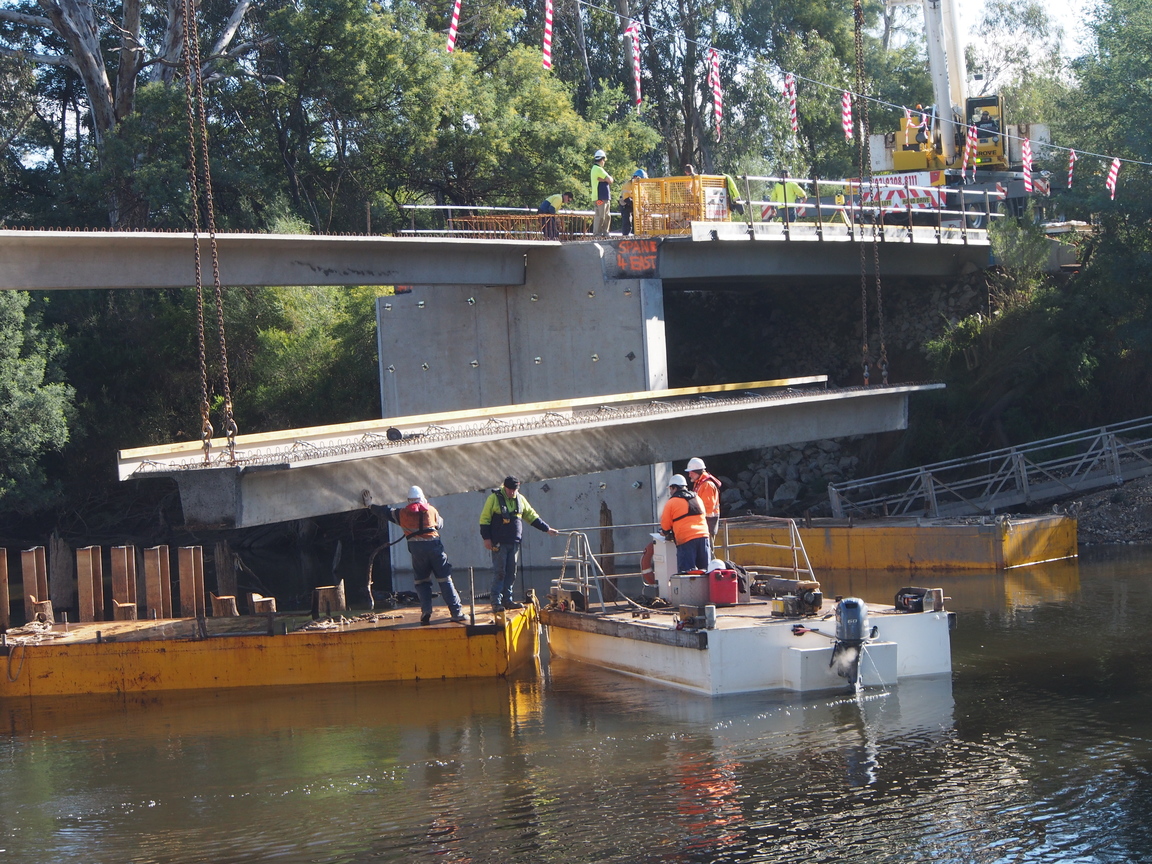
Council engineers worked with the contractor, Civil Bridge and Wharf, to design an integral concrete bridge, a method of bridge construction more commonly used in North America and Europe.
Lacking expansion joints and bearings and able to be partially constructed offsite, integral concrete bridges can be constructed within a very short time frame.
The time of the year the project was undertaken was also vital to its success.
"The water level in the river was at its lowest for the year because it was restrained by the Eildon dam, for irrigation season," Mr Canny said.
Construction took place during two weeks of school holidays, in an attempt to reduce the impact on the community.
Still, the herculean task of replacing the bridge within three weeks was initially met with scepticism, Mr Canny said.
"Council were almost mocked by the fact we were suggesting it could be done in three weeks," he said.
"There were some nervous moments- I had my fingers crossed."
Now the bridge is in place, Mr Canny said the community was "overjoyed" with the result.
Built to SM 1600 standards, the bridge has an unlimited load-carrying capacity and a lifespan of more than 100 years.
Cr Kennedy said when the bridge was opened at 8am sharp on the promised delivery date, locals were lining up to be the first to cross the bridge.
"It's been a spectacular success," he said.
It is not just the local community that has been thrilled with the result.
Mr Canny said he had received "numerous" calls from councils around Australia, eager to learn more about the project.
"Most of them have been interstate councils," he said.
When asked why more councils weren't building bridges within such a short time span, Mr Canny was frank.
"Our expectations were unrealistic in the first instance - nobody thinks you can build a bridge in three weeks," he laughed.